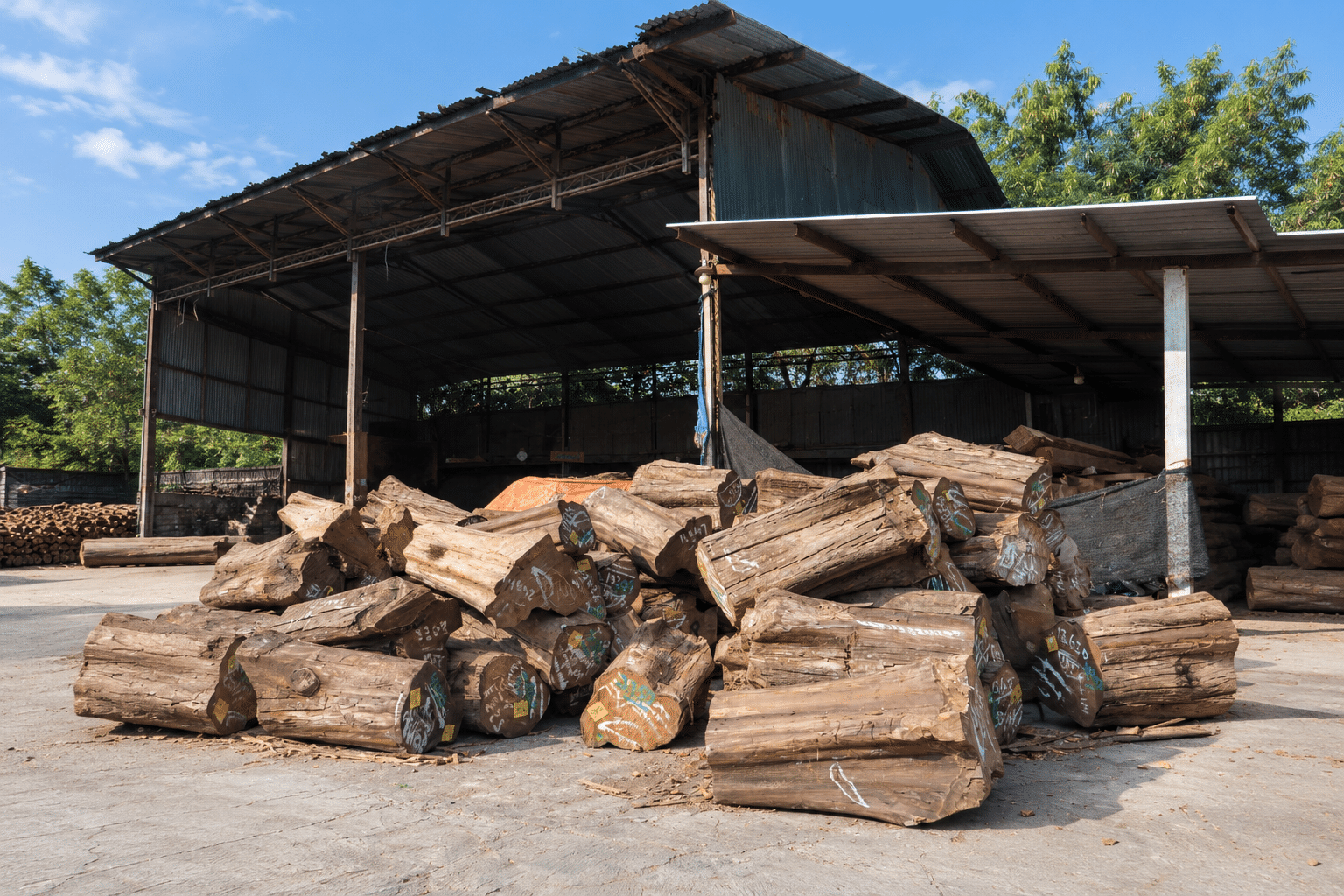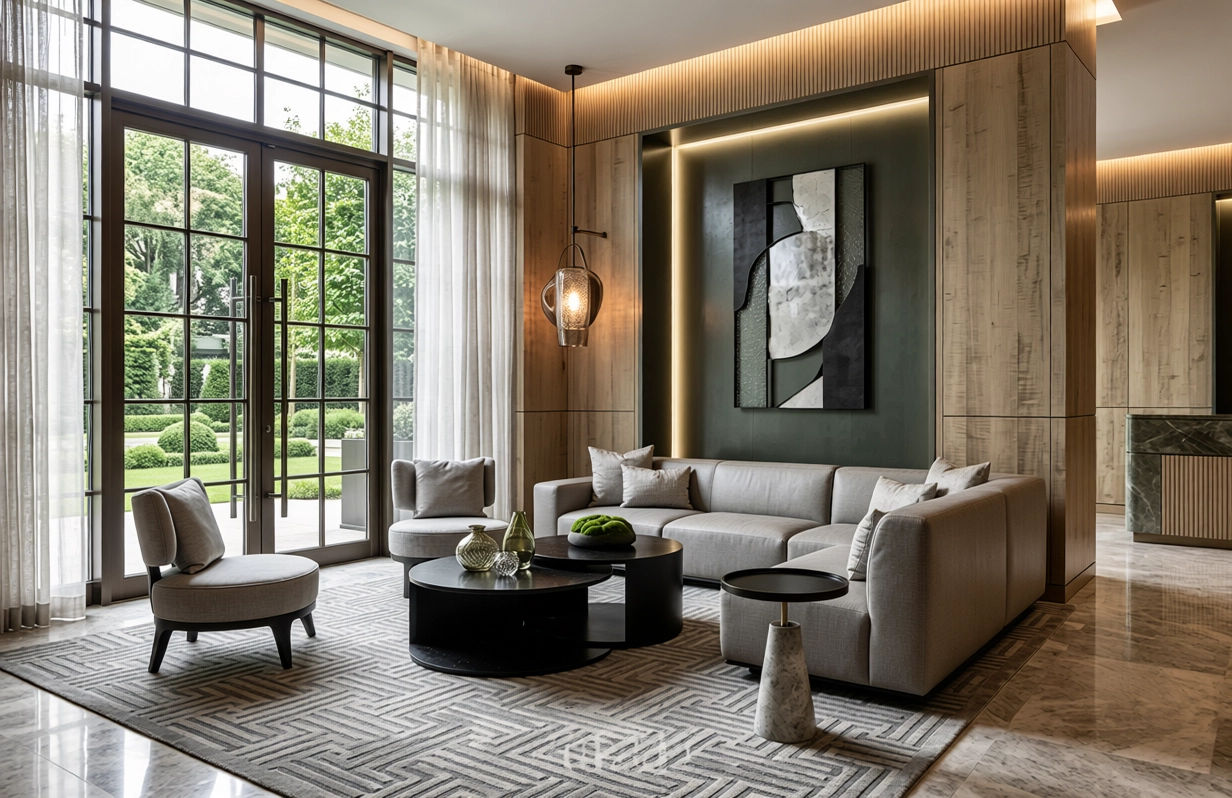
A wood selection guide for hotel, resort and restaurant furniture and the procurement decisions that decide whether it still looks this good in year five.
A guest rarely remembers the exact dimensions of a coffee table.
They remember setting a morning coffee down on a surface that felt warm instead of cold. Running a hand across a beautifully finished timber top while waiting for check-in. The conversations that happened around furniture that quietly belonged in the room.
That’s the paradox of hospitality design: the furniture guests remember most is often the furniture they never consciously noticed.
Among everything in a lobby or restaurant, the coffee table carries one of the most underestimated jobs. Touched hundreds of times a day. Photographed constantly. Cleaned by housekeeping every single shift. Expected to survive years of commercial use without losing its character.
Choosing wood for hotel and restaurant furniture, then, is less a design decision than a long-term performance one and the coffee table is usually where that decision shows first.
Why Hotels Should Think Beyond “Beautiful Wood”
Most hospitality projects start with a mood board. Warm oak. Natural teak. Dark walnut. Minimal ash. The visual direction always comes first, and heading into 2026, that direction is trending warmer and more natural again, as hotels move away from the cooler, harder finishes of recent years toward materials guests can feel are real.
Then procurement begins, and a different set of questions shows up:
Will the timber move under changing humidity between the factory, the shipping container, and the finished lobby? Can housekeeping clean it with commercial-grade chemicals every day without dulling the finish? Will it survive luggage impacts and years of laptop use? If the hotel expands in three years, can a replacement piece still match?
These aren’t design questions. They’re procurement questions and they usually decide whether a coffee table still looks exceptional five years after opening, long after the mood board is forgotten.
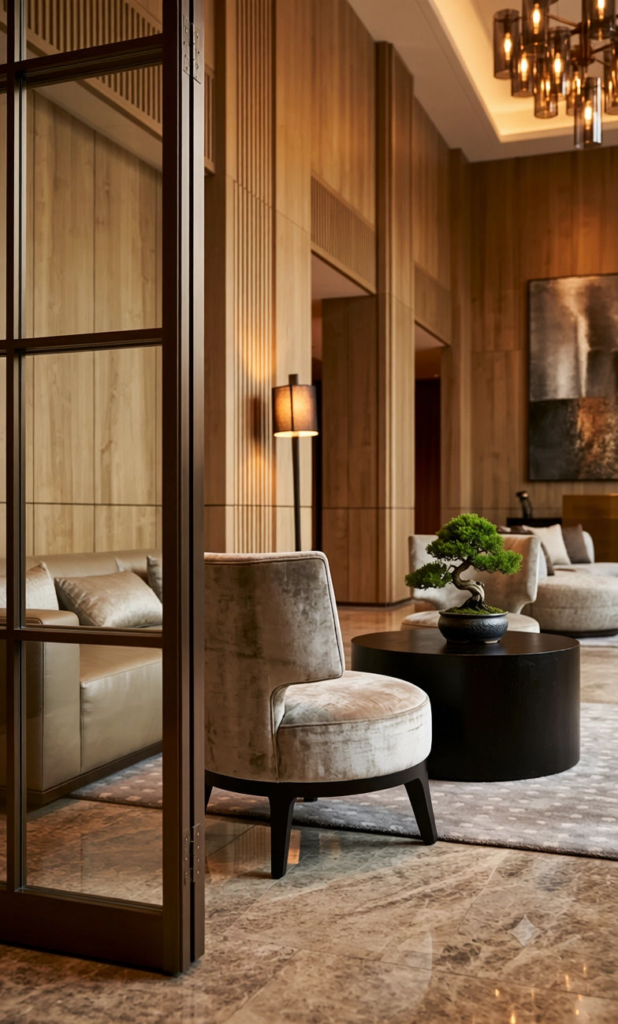
The Procurement Checklist
What “Beautiful Wood” Is Actually Hiding
- Moisture content & stability.Timber should be kiln-dried to a moisture content matched to the delivery climate not the factory’s. A table built for a dry showroom can crack or warp in a humid coastal resort within a year.
- Finish chemical resistance.Ask what the finish is rated to withstand. Commercial-grade disinfectants used by housekeeping are harsher than anything in a residential home.
- Impact & wear resistance.Hardness varies significantly by species. Lobby and restaurant furniture needs a harder-wearing surface than a guest-room side table.
- Batch & grain consistency.If a project phases over months, or the hotel reorders in three years, can the supplier match grain tone and finish closely enough that new pieces don’t visibly stand apart?
- Chain-of-custody documentation.For any project shipping into the EU, timber-based furniture now falls under deforestation-regulation due diligence. Ask early, not after the container has shipped. More on this below.
None of this shows up on a mood board. All of it shows up in a guest review three years later
The Best Wood Depends on the Space
A coffee table in a luxury resort lobby lives a different life from one inside an all-day dining restaurant.
Restaurant furniture takes constant spills, food stains, and aggressive nightly cleaning. Lobby furniture takes rolling luggage, laptop users, informal meetings, and guests passing through around the clock. Executive lounges need a refined finish that holds up under continuous daily use without looking tired.
The better question isn’t “what wood looks best” it’s “which wood performs best in this specific environment.” That shift in thinking is what separates residential furniture from commercial hospitality furniture.
Six Woods, Six Different Jobs
There’s no single “best wood” for hospitality furniture only the right match for a specific space, climate, and use case. Here’s how six commonly specified species compare.
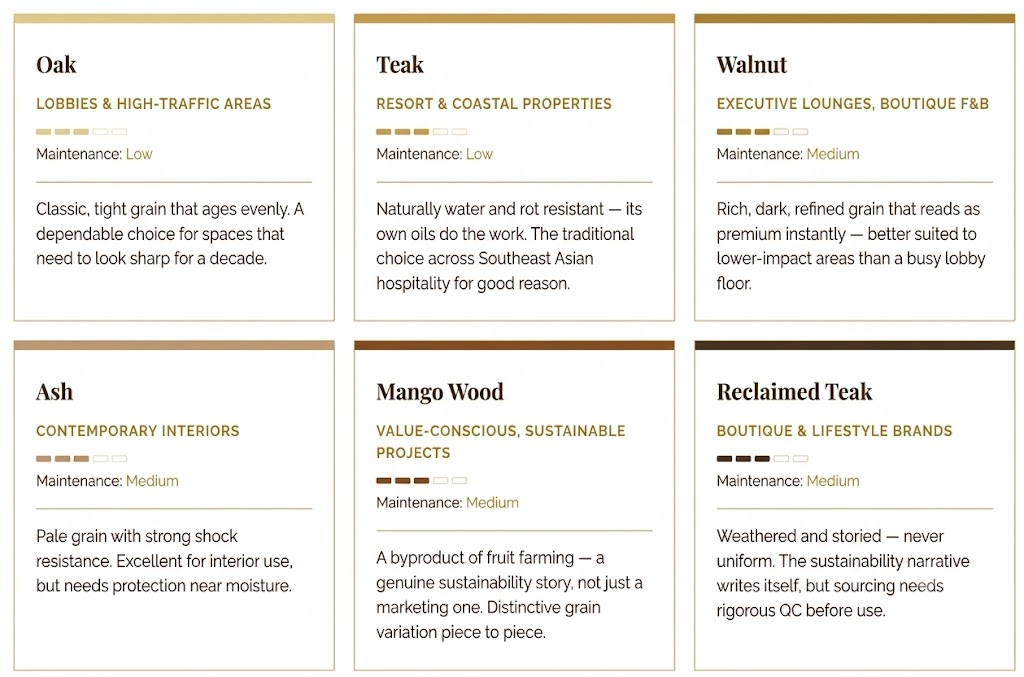
Every one of these is “the best wood” in the right context and the wrong choice in the wrong one. That’s a sourcing conversation, not a catalogue page
Natural Timber Ages Differently Than Engineered Surfaces
Good timber develops character. Scratches become part of its story. The grain gains depth over time. It feels authentic because it changes naturally, rather than simply wearing out.
Engineered and laminate surfaces tend to fail differently they hold a flawless appearance right up until they chip, and then the illusion is gone all at once.
For hospitality brands building toward the quieter, more natural design direction showing up across 2026 hotel interiors, authentic materials tend to leave a longer-lasting impression than surfaces built to look real.
Every Hospitality Brand Needs a Different Wood Story
Luxury resorts often lean into rich textures and handcrafted finishes. Urban boutique hotels tend to prefer cleaner grain patterns with contemporary detailing. Coastal destinations frequently pair timber with woven natural materials for a more relaxed feel. Restaurants usually need harder-wearing finishes that tolerate intensive daily cleaning without losing their appearance.
There’s no universal “best wood.” Only the best solution for a specific hospitality concept which is exactly why sourcing matters as much as manufacturing.
Regulatory Update
The Compliance Layer Most Wood Guides Skip
If any part of a hospitality project ships into the EU, timber-based furniture is no longer just a design and durability decision, it’s a documentation one.
Under the EU Deforestation Regulation (EUDR), operators placing timber and timber-based products on the EU market must be able to prove the wood didn’t come from land deforested after 2020, backed by geolocation and due-diligence records. After a further round of delays, enforcement is now scheduled for 30 December 2026 for large and medium operators, and 30 June 2027 for small and micro operators.
That timeline sounds distant. In procurement terms, it isn’t traceability documentation needs to be built into sourcing and production now, not requested after a container has already shipped. For hospitality buyers working with EU-based ownership groups, brands, or investors, this is increasingly worth raising with any furniture supplier before a project starts, not after.
This is general information, not legal advice. Project teams should confirm specific compliance requirements with their own legal and customs advisors.
From Design Intent to Delivered Reality
One of the biggest challenges in hospitality procurement is making sure the material a designer approved is exactly what arrives on site months later.
Wood species can vary. Grain can change. Moisture content can differ between suppliers. Finishes can read warmer or cooler under hotel lighting than they did during sampling.
Without proper supplier coordination and production oversight, even a beautifully designed piece of furniture can lose consistency before it’s ever installed. This is where procurement becomes a strategic function, not a purchasing task.
What We See Across Hospitality Projects
At Asean Sourcing, we’ve coordinated hospitality furniture procurement across hotels, resorts, restaurants, and serviced apartment developments throughout Asia, US, Middle East, and EU. One pattern shows up again and again: the most successful projects rarely choose materials on trend alone. They balance four things guest experience, operational durability, supply consistency, and long-term maintenance.
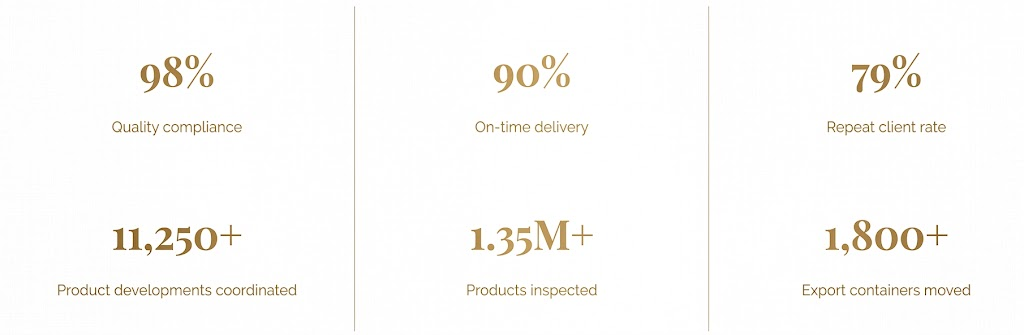
That combination reliability at scale is what makes consistency possible. It isn’t the result of good material selection alone. It comes from managing suppliers, production quality, inspection, logistics, and final delivery as one connected process, not five separate handoffs.
Behind Recent Hospitality Projects
Every hospitality project tells a different story, but they tend to share one expectation: the furniture has to look exceptional on opening day, and keep performing long after the ribbon-cutting.
Over the past year, Asean Sourcing has supported hospitality developments by coordinating custom FF&E procurement, managing production across trusted manufacturing partners, and running quality inspections before anything ships. From hotel lounges furnished with custom timber coffee tables to restaurant spaces needing durable, commercial-grade furniture, the work starts long before a piece reaches the property understanding the designer’s intent, matching it to the right manufacturing capability, and making sure what’s delivered reflects the approved specification.
For hotel owners and procurement teams, that means fewer surprises during installation, and greater confidence that what was approved is exactly what arrives on site.
The Coffee Table Is Never “Just” a Coffee Table
Guests won’t ask which timber species a hotel selected. They won’t notice moisture content percentages or production tolerances.
But they’ll notice how the space feels. Whether the lounge felt inviting. Whether the restaurant felt authentic. Whether the furniture seemed crafted rather than manufactured.
Those impressions start with materials and few materials communicate warmth the way real wood does. Choosing the right wood for hotel and restaurant furniture is ultimately about building spaces guests want to return to, not just furnishing empty rooms.
FAQ
Frequently Asked Questions
What’s the most durable wood for hotel and restaurant furniture?
For high-traffic public areas, oak and teak are typically the most durable choices both offer high density and strong resistance to daily wear, with teak adding natural moisture resistance that suits humid or coastal climates especially well.
What’s the real difference between solid wood and engineered wood for hospitality FF&E?
Solid wood ages by developing character scratches and patina become part of the piece. Engineered surfaces hold a flawless look until they chip, at which point the damage is immediate and visible. For public, high-visibility areas, how each material fails matters as much as how it looks new.
How do I make sure the wood furniture I approved is what actually arrives on site?
Through production oversight, not hope. That means pre-production sampling sign-off, in-line quality checks during manufacturing, and a pre-shipment inspection that verifies species, grain, moisture content, and finish against the original specification before the container leaves the factory.
Does wood furniture need special documentation to be imported into the EU?
Increasingly, yes. Under the EU Deforestation Regulation, timber-based products placed on the EU market require due-diligence documentation proving the wood isn’t linked to deforestation after 2020. Enforcement is scheduled for December 2026 (large and medium operators) and June 2027 (small and micro operators) worth raising with your supplier well before that.
Can a supplier match new furniture to a piece installed years earlier?
Only if grain tone, species sourcing, and finish formulation were documented and can be reproduced which is why batch consistency and supplier continuity matter more for wood than almost any other FF&E material.
Looking for Hospitality Furniture That Performs as Beautifully as It Looks?
Whether you’re sourcing for a boutique hotel, a luxury resort, a serviced apartment, or a restaurant, Asean Sourcing helps bridge the gap between design intent and production reality from supplier selection and product development through quality control, logistics, and international delivery.
If you’re planning a hospitality project, let’s talk it through wood species, lead times, sample options, and what it would take to get a piece like this right for your property.
Related posts
Furniture for Coastal Hotels & Resorts: How to Specify for Salt, Sun and Humidity
A beachfront property tests furniture in ways an inland hotel never will. Salt in the air, hours of d …
Behind Every Delivery: How We Vet the Furniture Factories You Never See
You see the finished room. Here’s everything that happened before it got there. How do you vet …