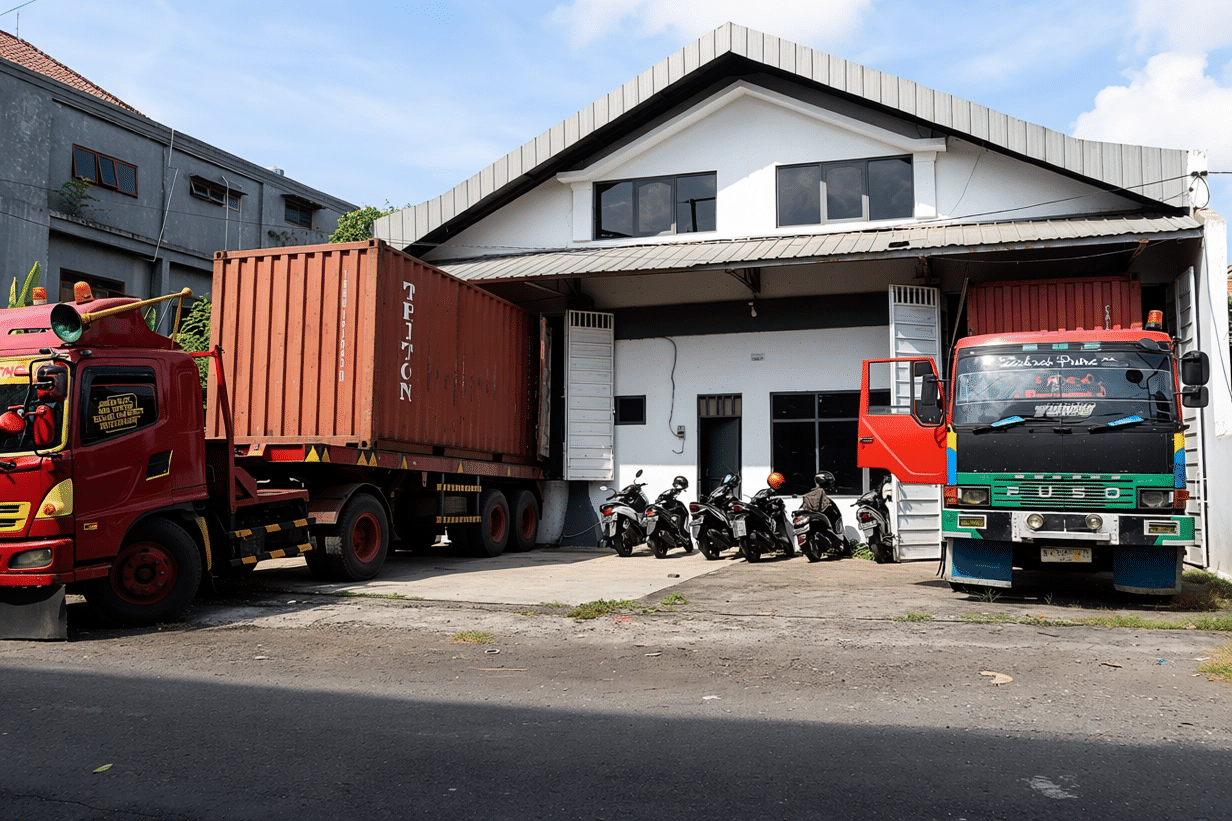
You’ve placed the order and the factory is producing. Now the questions start: Will it arrive on time? Will customs hold it? And how does it get from the port to the property?
If you are planning furniture shipping to a coastal or island destination, these are the right questions to ask. Island ports are often smaller, shipping routes can change, and the last stretch of the journey is often the hardest.
The good news is that many delays come from three things you can plan for. Here they are in plain language: the shipping route, the export documents and the last-mile delivery.
Same Cargo, Different Arrival Date: Why the Shipping Route Matters
Sea freight from Asia to Europe and the Mediterranean has been changing over the past few years. Some container ships sail through the Suez Canal, which is the shorter route. Others still go around the Cape of Good Hope, which takes longer. Carriers are returning to Suez gradually, service by service, so the route is not the same for every booking.
What this means for you: two furniture shipments booked in the same week can arrive days apart, depending on the route their ship takes. A delivery date built on the shortest route is not a safe date. Routes can change, so always confirm the current routing with your supplier, and ask whether the cargo changes ships on the way, because every transfer is another chance for delay.
That is why a delivery date needs buffer time. For a seasonal launch, a new store opening or a fixed delivery date, plan around a realistic arrival, not the best case.
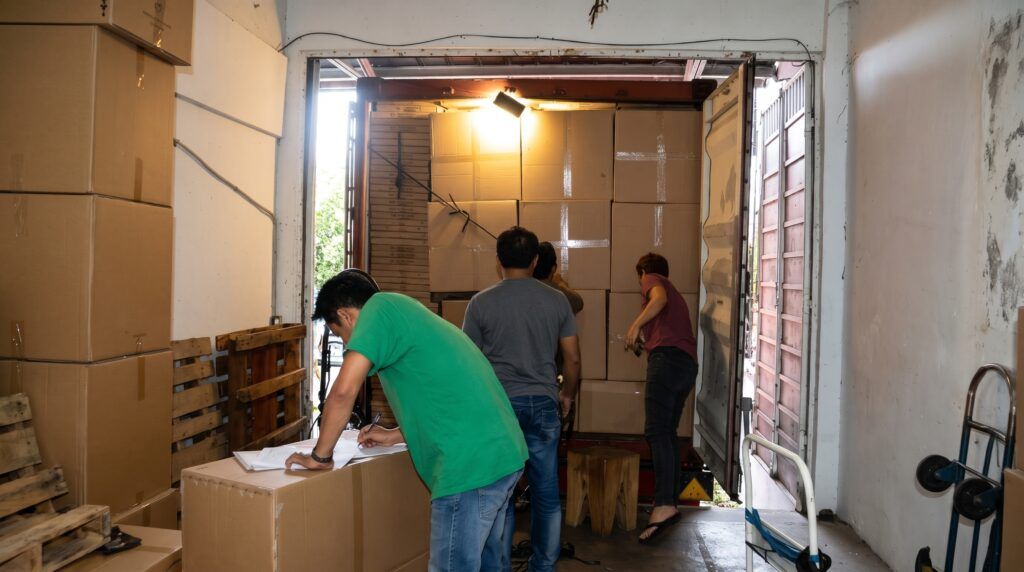
Export Documents for Furniture Shipping: Why Small Mistakes Cause Big Delays
Customs delays often start with small paperwork mistakes, not big problems. A wrong quantity or a mismatched product description is enough to slow a container down.
Most furniture export shipments need the same basic papers: a commercial invoice (what is being bought and for how much), a packing list (what is in each carton or crate, with weights and sizes) and a bill of lading (the transport document for the shipment). Some destinations ask for extra papers, depending on where the cargo is going and what it is made of.
The simple fix is for the supplier to prepare the documents together with the order, before the cargo leaves the factory, and to make sure the product description, quantity and weight match on every page. For destination-specific requirements, a licensed customs broker at the destination is the right person to confirm them.
Last-Mile Delivery for Furniture: The Port Is Not the Finish Line
Arriving at the port is not the same as arriving at your warehouse, store or customer. Coastal and island destinations often add extra steps: smaller ports with less handling equipment, a second leg such as a ferry or a smaller truck, narrow roads where a full-size truck cannot enter, delivery time limits during busy seasons, and extra handling, which means more chances for damage.
Plan these when you place the order, because they affect the container size, how the furniture is packed and the delivery date. Good packing matters most when furniture changes hands several times or travels through humid, salty conditions.
Why One Shipping Partner Works Better for Furniture Orders
Many buyers manage a factory, a freight forwarder, a customs broker and a local trucker as four separate contacts. When something goes wrong, each one points to someone else.
At Asean Sourcing, our work starts with the furniture, not the freight. Shipping is part of the same contract. We are a principal supplier, so sourcing, quality control, consolidated shipping and export documentation are handled together, and we plan the route and the delivery with you. One contract, one point of accountability.
Frequently Asked Questions
How long does furniture shipping from Asia to Europe take?
By sea it usually takes several weeks, depending on the port, the ship service and the route. The route can change the arrival date by days, so ask for the schedule of your specific booking instead of relying on a general estimate.
What documents do I need to ship furniture internationally?
Most shipments need a commercial invoice, a packing list and a bill of lading. Some destinations need extra papers, so check with your shipping partner or customs broker before the cargo leaves the factory.
Why do furniture shipments get delayed at customs?
Many customs delays come from paperwork that does not match, such as a different quantity, description or weight between documents. Preparing the documents together, before shipping, helps avoid many of them.
Can I ship furniture from different factories in one container?
Yes. This is called consolidated shipping. It can reduce handling and give you one arrival date for the whole order, as long as every item is ready and documented together.
What is the best way to ship furniture to an island?
Plan the whole journey when you place the order: the sea route, the documents and the last-mile delivery. Island ports are often smaller and may need an extra transport leg, so check the final delivery access early and allow extra time.
Can my furniture supplier handle the shipping too?
Yes, when the supplier works under one contract. At ASEAN Sourcing the furniture, the export documents and the delivery plan are handled together, so there is one team to ask when something changes.
Planning a Furniture Order for a Coast or an Island?
Tell us what you plan to order and where it needs to arrive. Request an Asean Sourcing capability overview Contact Us to see how we handle the furniture, the export documents and the delivery plan under one contract.
Related posts

Renovating a Beach Club or Coastal Restaurant Between Seasons: The Furniture Timeline That Beats Opening Day
By Asean Sourcing | FF&E and OS&E sourcing for hospitality and residential projects A city re …

Furniture for Coastal Hotels & Resorts: How to Specify for Salt, Sun and Humidity
A beachfront property tests furniture in ways an inland hotel never will. Salt in the air, hours of d …