Two quotations can both say “solid wood, outdoor-grade” and still sit far apart in price. That is because “outdoor wood” is not one material. Teak, acacia, merbau, bangkirai and white oak behave very differently once sun, rain and daily use arrive, and a quotation sheet rarely shows how.
Whether you are furnishing your first terrace or your fiftieth project, the way to choose well is the same: know what to compare, and compare like for like. This guide takes the woods one by one.
Why compare woods at all?
The label hides the differences that decide how long a piece lasts.
- Same label, different wood. “Outdoor-grade” says where a piece may be used, not what it is made of.
- The cost arrives later. A cheaper wood often needs more finishing, more upkeep or earlier replacement, so the lowest quotation is not always the lowest cost.
- Fair quotes need a fair baseline. When species, grade and finish are named, every supplier quotes the same thing and the prices become comparable.
What to compare: six checks
- Natural durability. Resistance to rot and termites, shown as an EN 350 class from 1 (very durable) to 5 (not durable). It describes heartwood only.
- Stability. How much the wood moves, cracks or warps as humidity changes.
- Weight and hardness. Heavy pieces resist dents and wind; lighter ones are easier to move and ship.
- Finish and upkeep. Whether it is oiled, sealed or left to weather, and how often it needs attention.
- Price and supply. Plantation or natural forest, and whether you can reorder the same look later.
- Legality and certification. Documents such as FSC or, for Indonesian timber, SVLK.
The woods, one by one
1. Teak
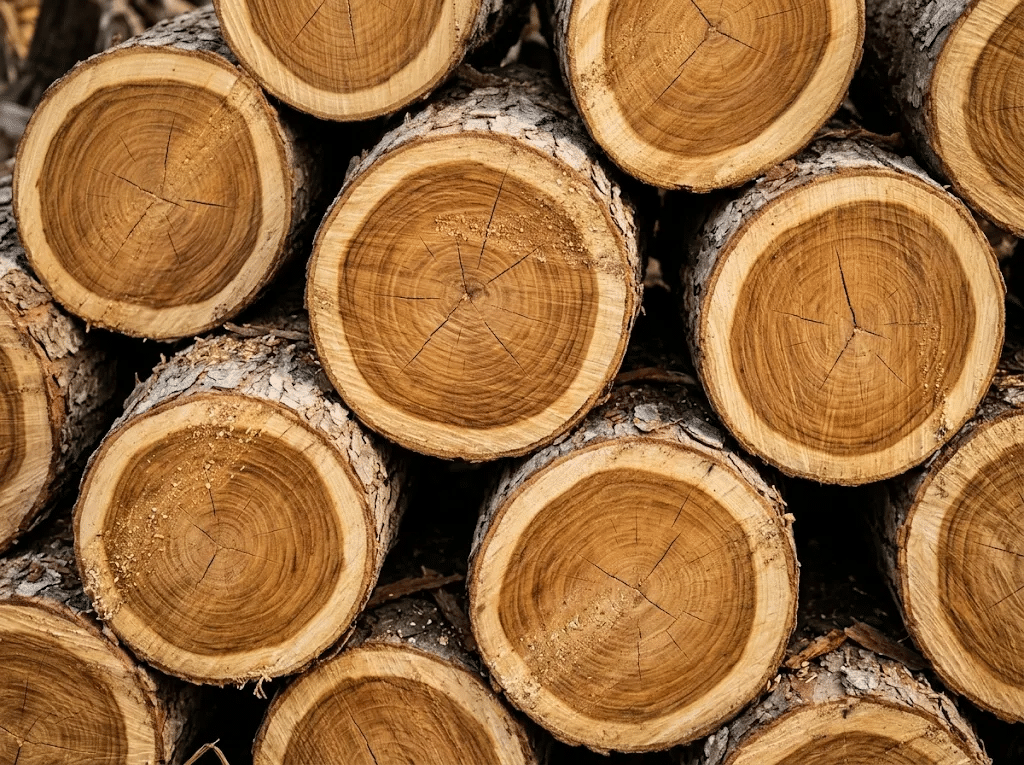
The benchmark for exposed outdoor wood. Its natural oils and silica give the heartwood EN 350 class 1 durability, very good stability and moderate hardness (about 1,070 lbf on the Janka scale). It is usually priced above acacia.
- Best for: fully exposed spaces such as pool decks and open terraces, where a long service life matters most.
- Watch for: grade. Durability sits in the heartwood, so ask how much sapwood is allowed. Teak weathers to silver-grey unless oiled, so decide which look you want. Use stainless fasteners.
2. Acacia
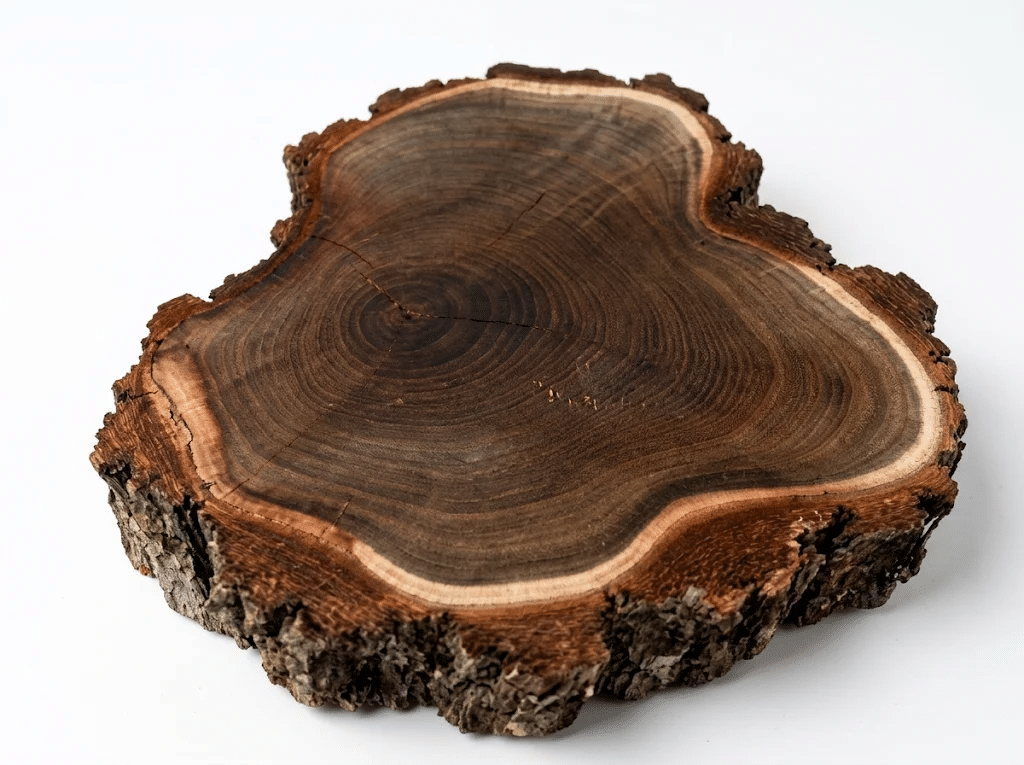
A plantation hardwood that is light in colour, widely available and priced below teak. Natural durability is its limit. Acacia mangium, one of the species commonly sold as acacia, rates EN 350 class 3–4 against rot (moderately to poorly durable), is susceptible to termites and is lighter than teak.
- Best for: covered terraces, verandas, garden lounges and other spaces shielded from constant rain.
- Watch for: the species, since “acacia” covers several. Ask for kiln-dried stock, as acacia can distort and check if drying is poor, and for a durable finish with a recoating schedule. Keep it out of standing water.
3. Merbau
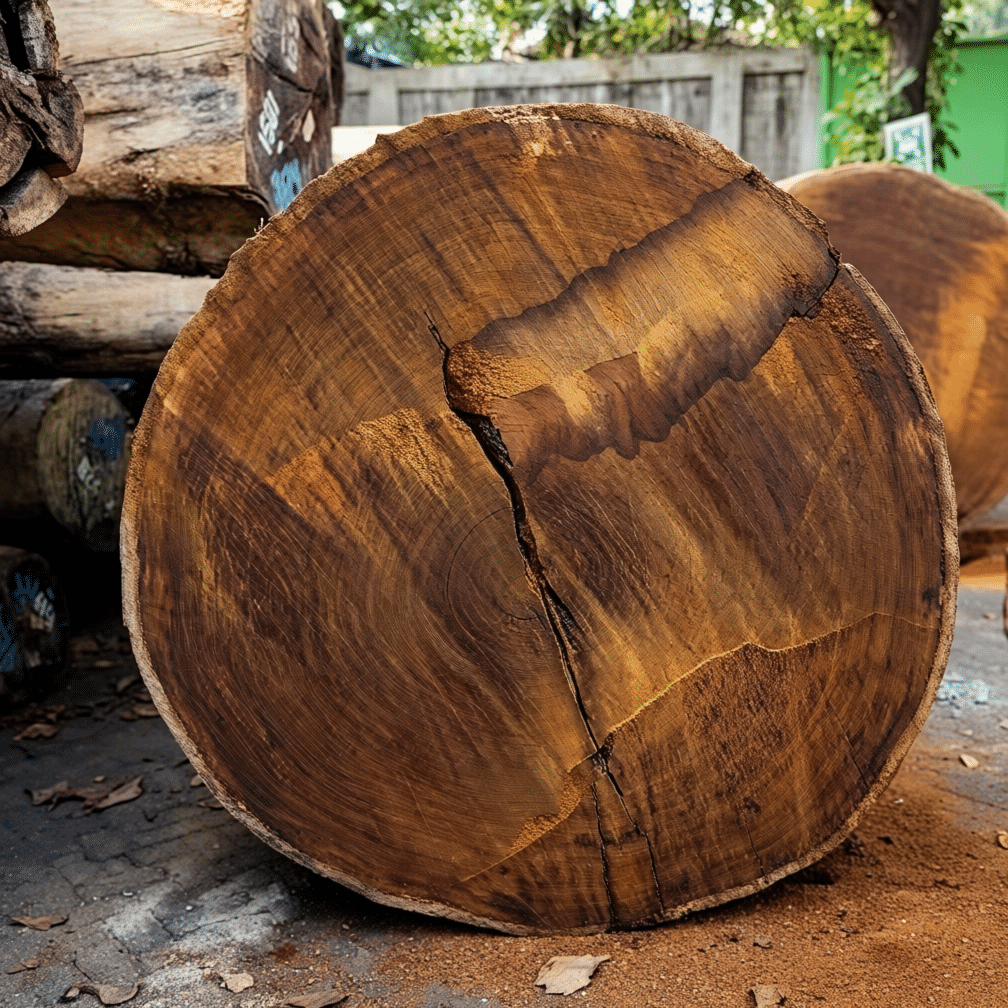
A dense tropical hardwood with EN 350 class 1–2 durability and a deep red-brown colour. It is strong and termite-resistant, but its natural extractives can bleed in rain and stain light paving, and it can discolour on contact with iron.
- Best for: sturdy tables, benches and loungers where extra weight is welcome.
- Watch for: staining on pale stone or tiles (ask for a sealed finish and test a sample), stainless fasteners, and paperwork. Merbau (Intsia bijuga) is listed by the IUCN as near threatened, so legality and traceability documents matter more than usual.
4. Bangkirai (Yellow Balau)
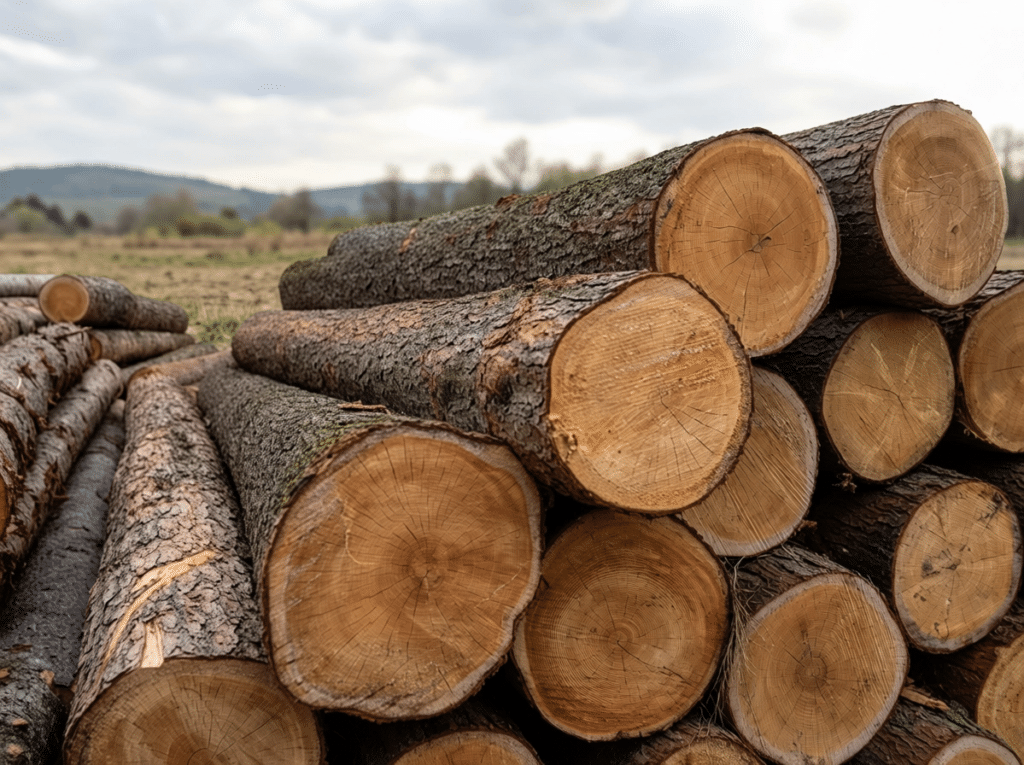
Bangkirai is the Indonesian name for Yellow Balau (Shorea laevis). It is very dense, roughly 850–1,100 kg/m³, with EN 350 class 2 durability, and CIRAD notes it is durable enough for marine use. It is better known for decking, pergolas and benches than for slim, light furniture.
- Best for: heavy-duty benches and large tables in very wet or beachfront exposure.
- Watch for: weight, which raises handling and freight cost, and the species. Balau and bangkirai names cover several Shorea species, and only Shorea laevis carries that top rating.
5. White oak
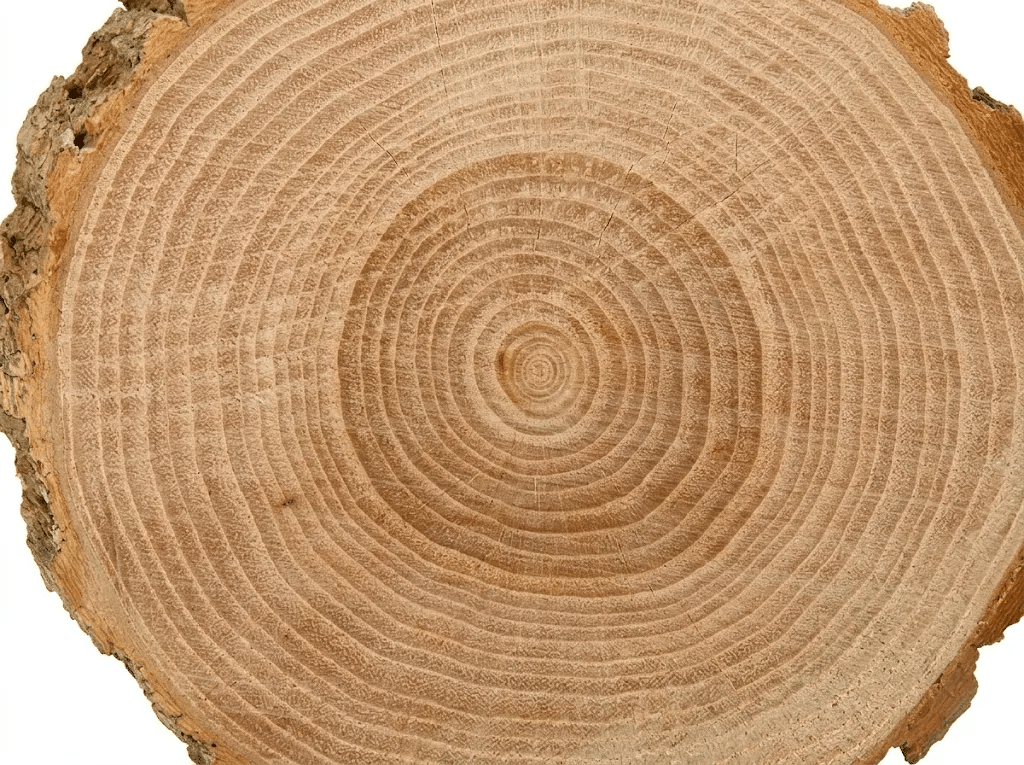
A classic for refined outdoor pieces, but only white oak qualifies. Its pores are sealed by tyloses, which slow water movement and give EN 350 class 2 durability. Red oak lacks them and rates class 4, so it belongs indoors. White oak is also slightly harder (about 1,360 vs 1,290 lbf).
- Best for: dining furniture and terrace pieces where a refined grain and a lighter palette matter, with a good finish.
- Watch for: write “white oak” in the specification, not just “oak”. Limit sapwood, which is not durable, and use stainless fasteners because oak stains on contact with iron.
At a glance
| Wood | Durability (EN 350, heartwood) | Weight | Best suited to |
|---|---|---|---|
| Teak | 1 | Medium | Fully exposed spaces, long life |
| Acacia | 3–4 (A. mangium) | Lighter | Covered or sheltered spaces |
| Merbau | 1–2 | Heavy | Sturdy pieces, with stain risk managed |
| Bangkirai | 2 | Very heavy | Heavy-duty, wet or beachfront use |
| White oak | 2 | Medium to heavy | Refined pieces with a good finish |
How to compare quotations like for like
Before you compare prices, check that every quotation names the same six things: the species (Latin name where possible), the grade and sapwood limit, the moisture level after kiln drying, the finish system, the fasteners and glue, and the legality documents. If a quotation leaves one out, it is not yet comparable. Start with what each space demands (see our guide to specifying pool decks, terraces and rooftops), then match the wood to it.
Where Asean Sourcing comes in
This is the work of a hospitality procurement specialist, and it is useful at any stage. As a principal sourcing partner and hospitality procurement specialist, Asean Sourcing helps buyers compare woods properly, from a first outdoor order to a full property: material and construction review, technical and commercial comparison between suppliers, sample and prototype coordination, and pre-shipment inspection coordination. Where applicable, we also support FSC-certified wood availability and material traceability.
Common questions
Is teak always the best wood for outdoor furniture? Not always. It is the safest choice for fully exposed spaces. Acacia or white oak can be good value in covered or lightly exposed spaces when the finish and upkeep are planned.
What does a durability class on a quotation mean? It is the EN 350 rating of how well heartwood resists rot, from 1 (very durable) to 5 (not durable). It describes the wood, not the finished piece, so construction and finish still matter.
Choosing outdoor furniture for the first time, or for your next project? Request an ASEAN Sourcing capability overview and tell us which woods and spaces you are weighing.
Choosing between teak, acacia or another wood for a home or a hospitality project? Tell us about your space and the woods you are weighing, and our team will help you compare them and source the right pieces.
Related posts
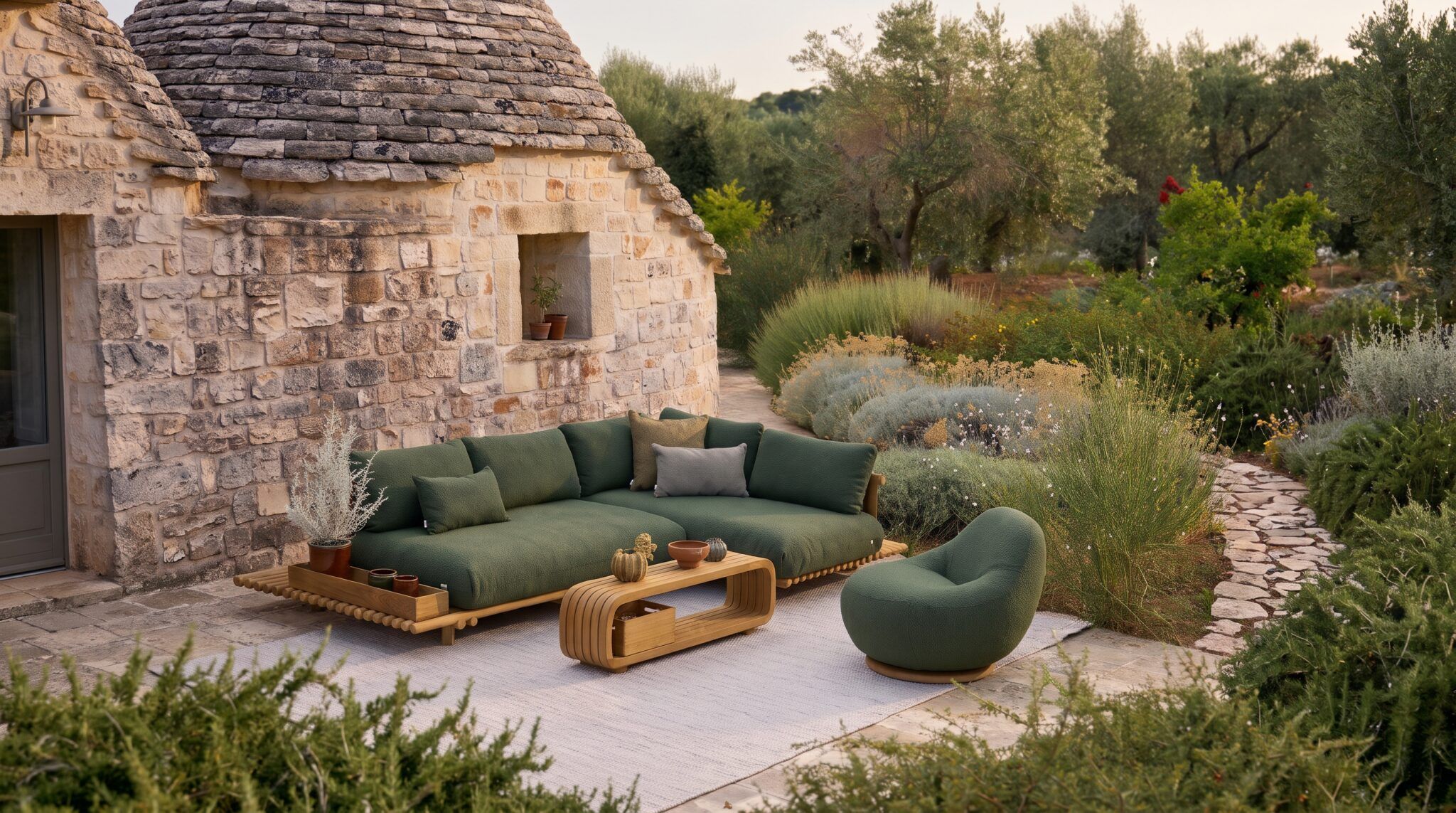
Beautiful Outside. Built for What Comes Next.
Outdoor Furniture Materials, Durability & Climate Considerations Some furniture is made to be adm …
Will It Arrive on Time? The Truth About Shipping Furniture to Coastal and Island Destinations
You’ve placed the order and the factory is producing. Now the questions start: Will it arrive on tim …