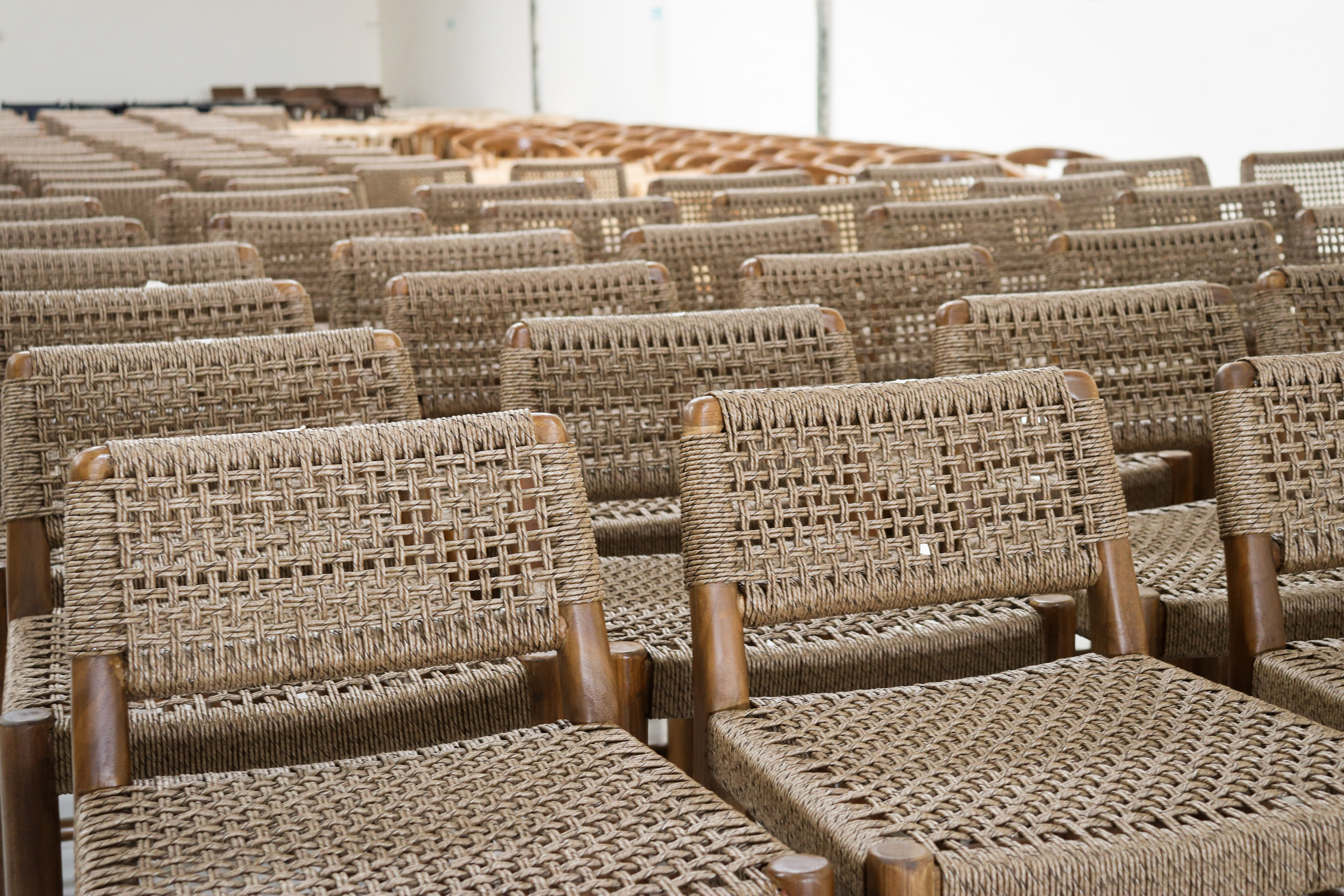
A Practical Guide for Retailers and Distributors Looking Beyond Catalogue Sourcing
For many retailers and distributors, the journey often begins with catalogue sourcing.
A supplier presents a collection, products are selected, orders are placed, and inventory arrives. The process is familiar and relatively straightforward, especially in the early stages of growth.
Eventually, however, many businesses encounter the same challenge.
The products start to look increasingly similar to what competitors are selling. Margins become harder to protect, and customers begin looking for something more distinctive and exclusive.
This is usually the moment when businesses start asking a different question:
What if we created something of our own?
That question is driving growing interest in private label furniture sourcing, custom furniture development, and custom furniture manufacturing.
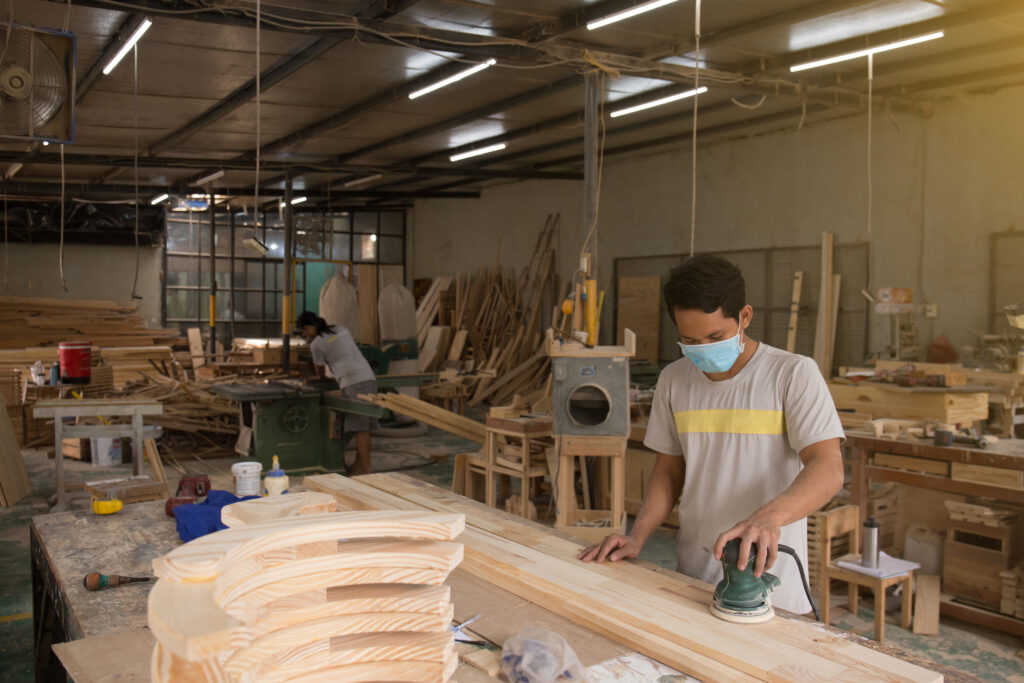
Why More Brands Are Moving Beyond Catalogue Sourcing
Furniture has become increasingly competitive.
Customers today have access to thousands of products through online marketplaces and global retail channels. As a result, offering products that are easily available everywhere makes differentiation increasingly difficult.
A custom furniture collection changes that equation.
It allows brands to offer products that cannot easily be compared on price alone. It creates exclusivity, strengthens brand identity, and gives businesses greater control over their product offering.
For many retailers and distributors, custom product development is no longer simply a growth strategy.
It is becoming a competitive necessity.
It Starts With a Brief, Not a Product
One of the biggest misconceptions in custom furniture development is the belief that manufacturers need fully completed technical drawings before a project can begin.
In reality, successful projects often start with a clear brief.
Who is the target customer? What price segment should the collection serve? What materials align with the brand? Which markets will the products be sold in?
The more clearly these questions are answered, the easier it becomes to transform ideas into manufacturable products.
At this stage, having the right furniture sourcing partner becomes incredibly valuable.
Because custom development is not only about creating beautiful furniture. It is about ensuring those ideas can actually be produced consistently and commercially.
Turning Concepts Into Products
Once the brief has been established, product development begins.
Materials are evaluated. Dimensions are refined. Construction methods are reviewed. Packaging requirements and compliance standards are considered.
This stage often involves numerous discussions and adjustments. Some ideas can be produced exactly as envisioned. Others may require modifications to improve durability, optimize production efficiency, or better align with budget expectations.
This collaborative process is one of the most important stages of custom furniture manufacturing. Because the objective is not simply to create attractive products. The objective is to create products that work beautifully in both design and production.
Sampling: Where Ideas Become Real
No matter how detailed a drawing may be, nothing replaces seeing a product in person.
This is why sampling plays such a critical role in private label furniture sourcing. The sample is often the first opportunity to experience the product physically. Dimensions can be evaluated, materials can be touched, and construction quality becomes visible.
It is also where refinements happen.
A finish may need adjustment. A dimension may need modification. A material may require substitution.
These changes are entirely normal. The purpose of sampling is not to achieve perfection immediately. It is to ensure every decision is validated before production moves forward.
Understanding MOQ and Lead Times
One of the first questions retailers ask is:
What is the minimum order quantity?
The answer depends on several factors
Materials, production complexity, packaging requirements, and manufacturing processes all influence minimum order quantities. Lead times are equally important. Custom furniture naturally requires more time than purchasing existing catalogue products.
There are development stages, sampling rounds, material procurement, production planning, quality inspections, and logistics coordination to consider.
Setting realistic expectations from the beginning allows brands to plan launches more effectively and reduce unnecessary risk.
Why Quality Control Cannot Wait Until the End
One of the most common misconceptions in custom furniture production is that quality control happens only at final inspection.
In reality, quality management starts much earlier. Materials need to be verified. Specifications need to be aligned. Production milestones need monitoring. Dimensions and finishes require ongoing inspection.
When issues are identified early, corrective actions are usually manageable. When problems are discovered only after production has finished, solutions become considerably more expensive and time-consuming.
The goal is simple:
What is approved during sampling should be exactly what arrives during production
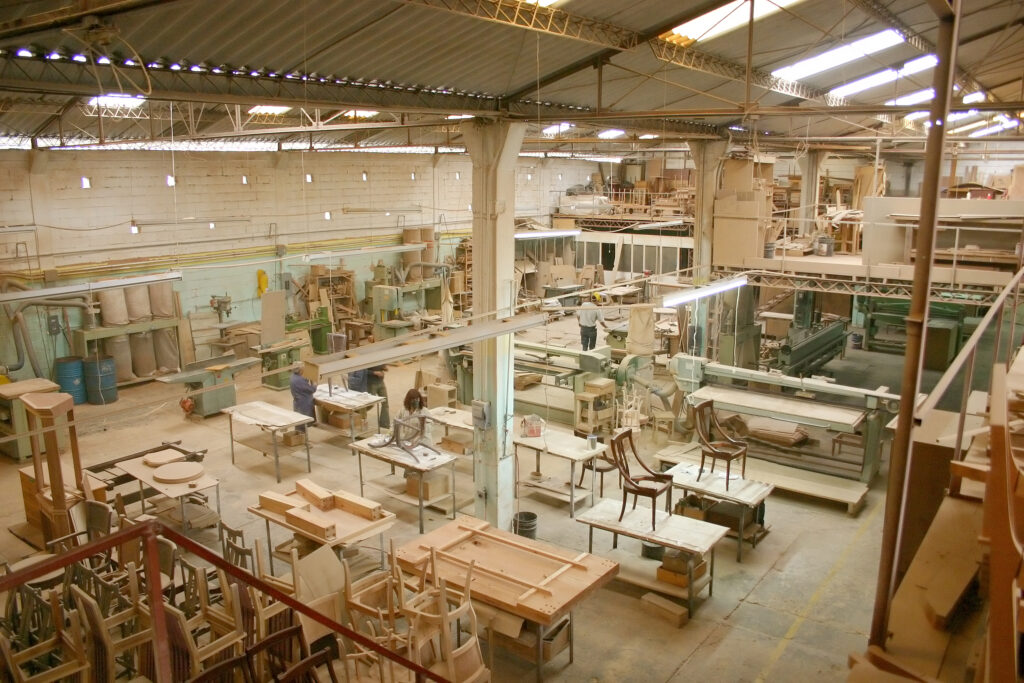
You Don’t Need to Own a Factory
One of the biggest shifts in modern sourcing is the realization that brands no longer need manufacturing facilities to develop proprietary furniture collections.
What they need is access
- Access to supplier networks
- Access to manufacturing capabilities
- Access to product development expertise
- Access to quality management and logistics coordination
This is where a sourcing and procurement partner creates measurable value.
At Asean Sourcing, we work with retailers and distributors looking to move beyond catalogue sourcing and develop collections tailored to their own markets and brand positioning.
Through our network across Asia, we help clients navigate supplier selection, custom product development, sampling, production oversight, quality control, and logistics management.
Because creating a custom collection is not simply about sourcing products. It is about creating products that feel uniquely your own.
Final Thoughts
Catalogue sourcing will always have its place.
But as competition increases and customer expectations continue to evolve, more businesses are recognizing the value of products that cannot easily be found elsewhere. Custom collections provide an opportunity to differentiate, strengthen brand identity, and create long-term competitive advantage.
The process may seem complex at first. But with the right sourcing structure and the right partners, the journey from concept to production becomes significantly more manageable. Because building a custom furniture collection has never been about owning a factory.
It has always been about having the right people, processes, and sourcing expertise to turn ideas into products that customers genuinely want.
Thinking about developing your own furniture collection?
Whether you’re exploring private label furniture sourcing or custom product development, our team can help you navigate the journey from concept and sampling to production and delivery across Asia.
Talk to Asean Sourcing about your product development project.
Related posts
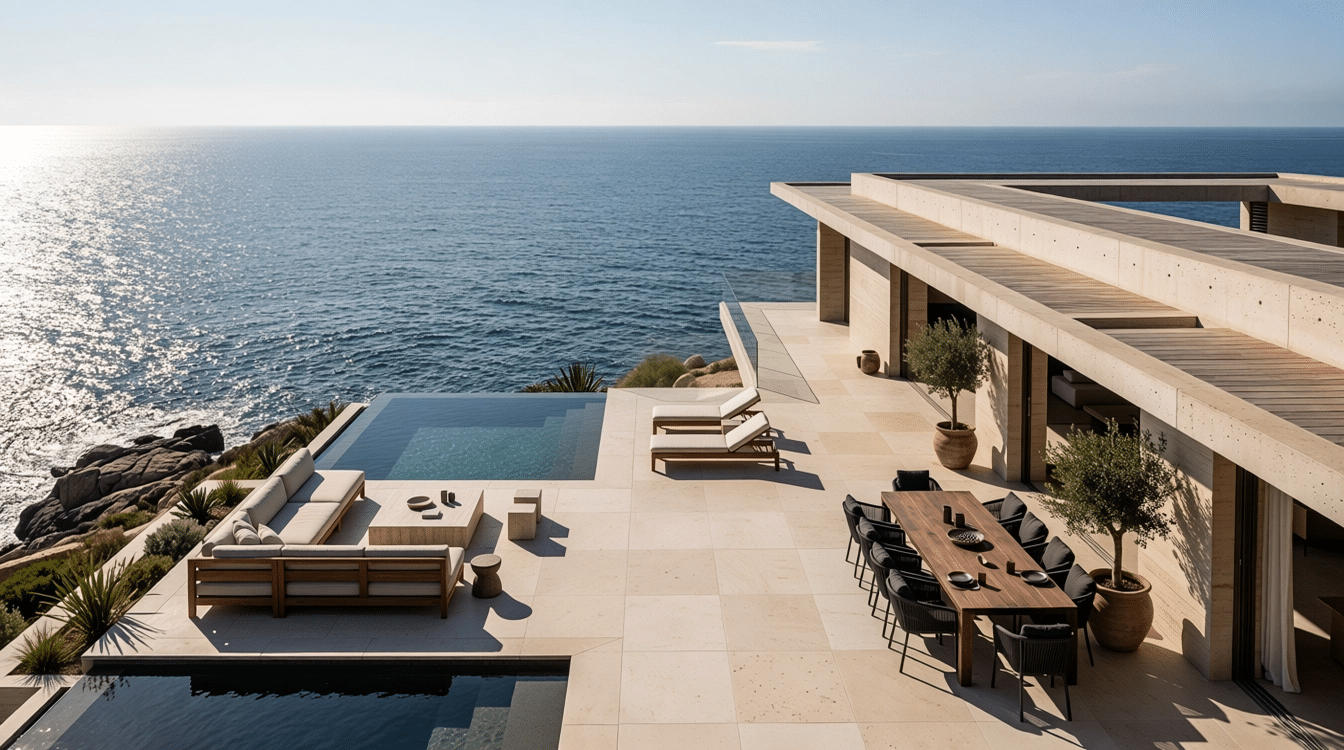
Furniture for Coastal Hotels & Resorts: How to Specify for Salt, Sun and Humidity
A beachfront property tests furniture in ways an inland hotel never will. Salt in the air, hours of d …
Behind Every Delivery: How We Vet the Furniture Factories You Never See
You see the finished room. Here’s everything that happened before it got there. How do you vet …


ExoWatts
Great content! Keep up the good work!