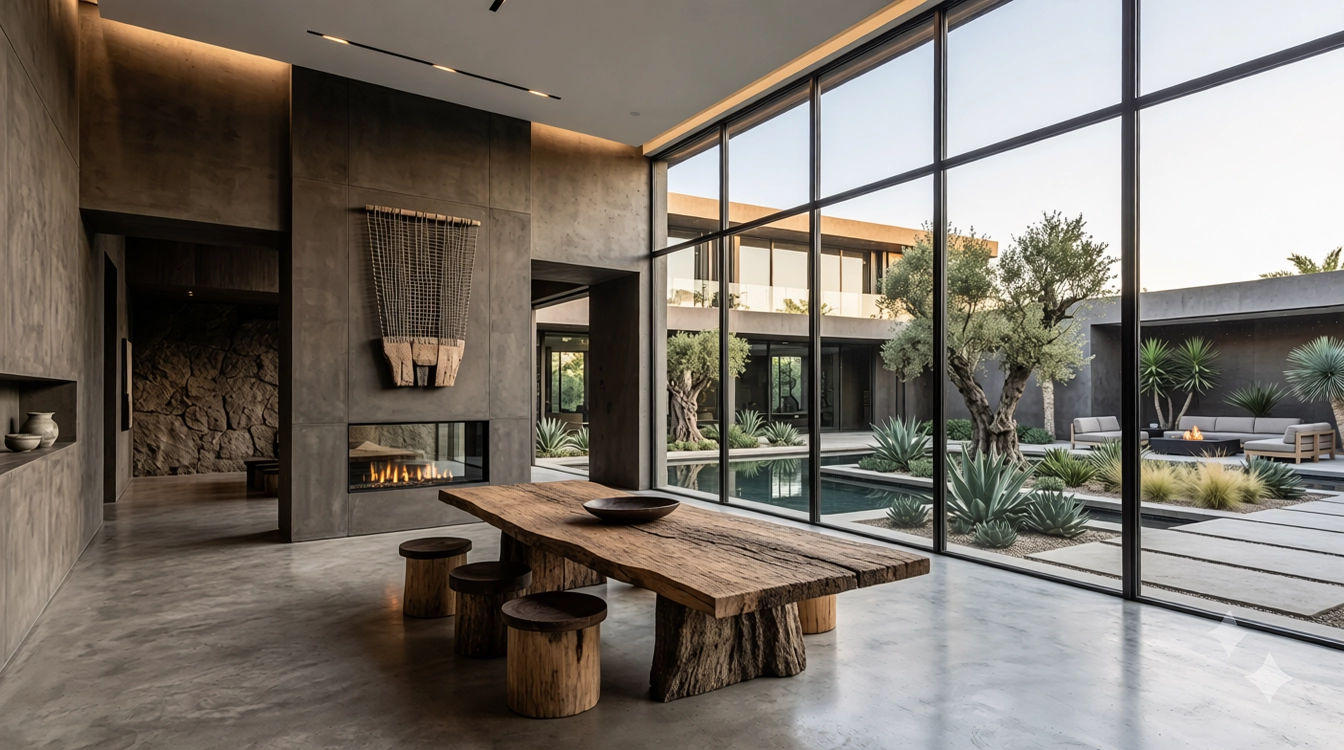
Walk into two luxury homes today, and you’ll notice something interesting: they may share the same architectural style, similar floor plans, or even comparable budgets, but they rarely feel the same.
That’s because homeowners are no longer asking for a house that simply looks beautiful. They want a home that reflects how they actually live, and finding the right custom furniture manufacturer for residential projects has become essential to making that happen.
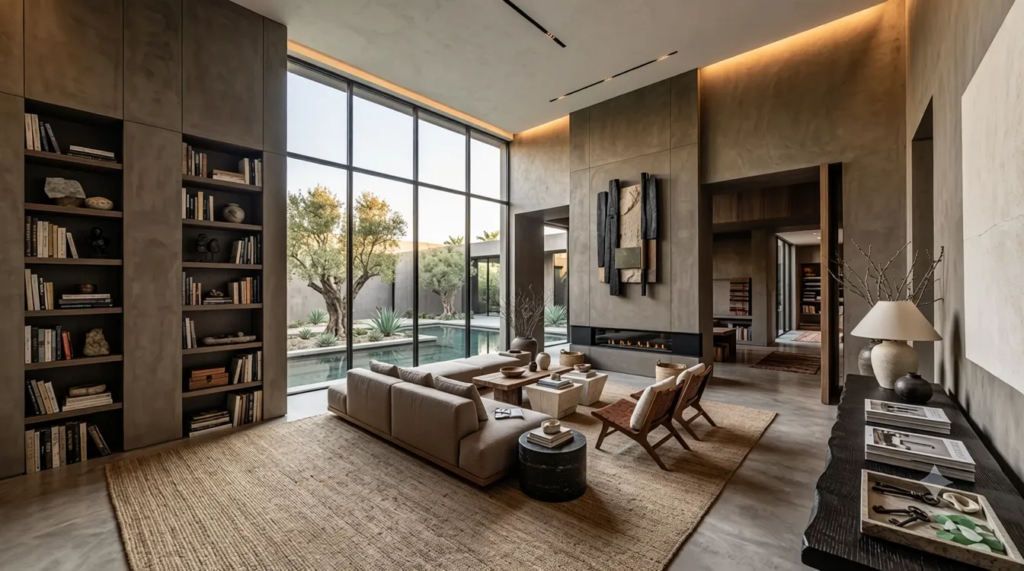
This shift is redefining residential architecture and interior design. Instead of designing around rooms, architects and designers are now creating spaces around lifestyles:
- A spare bedroom becomes a creative studio
- An empty corner transforms into a coffee bar
- A hallway becomes a gallery for personal collections
- A patio evolves into an outdoor wellness retreat
The question is no longer “How many rooms does this house have?” It’s “How does this home support the people living in it?”
Why Personalized Home Design Is Driving Demand for Bespoke Furniture
The residential market has entered a new era of personalization. Clients aren’t looking for furniture copied from catalogs or spaces that resemble every trending home on social media. They want interiors that tell their own story.
This is why bespoke furniture for residential projects has become one of the strongest movements in the industry. Today’s homes are being shaped around everyday experiences, including:
- Coffee corners for slow mornings
- Reading nooks with custom shelving
- Wellness rooms for yoga and meditation
- Home offices designed for hybrid work
- Pet-friendly furniture and built-in storage
- Hobby studios for music, art, or crafting
- Outdoor living spaces that feel like boutique resorts
Each space has unique functional needs, which means every furniture piece should be designed with intention, not simply selected from what’s readily available.
The Problem: Standard Furniture Manufacturers and High MOQs
This is where many residential projects hit a wall.
An architect designs a beautiful built-in bench, a uniquely curved dining table, or a custom wardrobe that perfectly fits the space. Then reality hits: most manufacturers only offer limited customization.
Changing the fabric? Usually fine. Changing the color? Often possible. Creating an entirely new product? Not always.
Even when a manufacturer accepts custom requests, they often require high Minimum Order Quantities (MOQ), making bespoke furniture unrealistic for one-off residential projects or boutique developments. As a result, designers are forced to compromise, not because the design wasn’t good, but because production couldn’t support it.
If you’ve searched for a low MOQ custom furniture partner and come up short, you’re not alone. It’s one of the most common pain points architects and interior designers raise on residential projects.
What “Custom Furniture Development” Should Actually Mean
True custom furniture goes far beyond selecting a finish. It starts with understanding the designer’s vision and developing a product from the ground up. That process can include:
- Engineering new furniture concepts
- Developing construction details
- Recommending alternative materials without changing the design intent
- Creating prototypes before production
- Refining dimensions for comfort and functionality
- Optimizing manufacturing methods while preserving aesthetics
This is where product development becomes just as important as manufacturing itself.
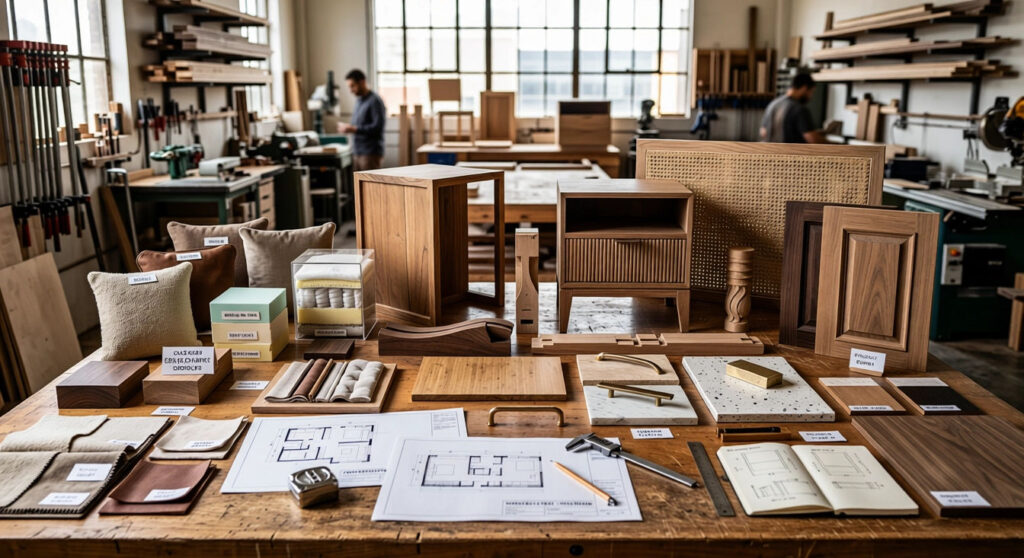
Freedom to Design Without Production Limits
Imagine specifying the exact material you want:
- Natural oak instead of veneer
- Handwoven rattan instead of synthetic alternatives
- Powder-coated steel in a custom finish
- Performance fabrics selected for your client’s lifestyle
Or combining several materials into one completely original furniture piece.
The best residential projects don’t begin with a supplier’s catalog, they begin with an idea. Production should adapt to the design, not the other way around.
Why Flexible Manufacturing Matters for Residential Projects
Every residential project is different. Some designers create a single statement piece. Others develop a complete furniture collection for one luxury villa. Some projects need only one prototype before moving into production; others require multiple design revisions as the project evolves.
Unfortunately, traditional manufacturing often relies on rigid production requirements and high MOQs that don’t align with custom residential work. A flexible product development process gives architects and interior designers the confidence to explore original ideas without being constrained by standard manufacturing practices.
How Asean Sourcing Turns Furniture Concepts Into Reality
At Asean Sourcing, we believe every great design deserves the chance to become reality. Through our Custom & Product Development service, we work closely with architects, interior designers, developers, and residential brands to transform concepts into production-ready furniture.
Rather than asking designers to adapt their ideas to existing products, we help develop furniture around the project’s specific requirements, including:
- Custom furniture development
- Material consultation and sourcing
- Prototype creation
- Engineering support
- Manufacturing coordination
- Flexible, low-MOQ production for unique residential projects
Whether you’re designing a private residence, a luxury villa, a show unit, or a boutique residential development, our goal is to help preserve your original design intent from concept to completion.
Frequently Asked Questions
What is a custom furniture manufacturer for residential projects? A custom furniture manufacturer works directly with architects and designers to engineer, prototype, and produce original furniture pieces — rather than offering only finish or fabric changes to existing catalog products.
Can I order custom furniture with a low MOQ? Yes. While many traditional manufacturers require high minimum order quantities, flexible manufacturing partners like Asean Sourcing support single-piece prototypes and small residential-scale orders.
How long does custom furniture development take? Timelines vary by complexity, but the process typically includes design review, material sourcing, prototyping, revisions, and final production coordination. Projects with clear specifications and fewer revisions move faster.
What materials can be used in custom residential furniture? Common options include natural oak, handwoven rattan, powder-coated steel, and performance fabrics, but manufacturing partners can also source or recommend alternative materials to match a designer’s original vision.
Who is custom furniture development for? It’s designed for architects, interior designers, residential developers, and boutique brands working on private residences, luxury villas, show units, or small-scale developments where standard catalog furniture won’t fit the design intent.
Ready to Develop Furniture That Truly Reflects Your Design?
If you’re looking for a custom furniture manufacturer for residential projects who understands both design and manufacturing, Asean Sourcing is here to help.
Our Custom & Product Development service supports architects, interior designers, and residential developers in creating furniture tailored to each project’s vision, from material selection and engineering to prototype development and production coordination.
Let’s create furniture that’s designed around your client, not around manufacturing limitations.
Related posts
Furniture for Coastal Hotels & Resorts: How to Specify for Salt, Sun and Humidity
A beachfront property tests furniture in ways an inland hotel never will. Salt in the air, hours of d …
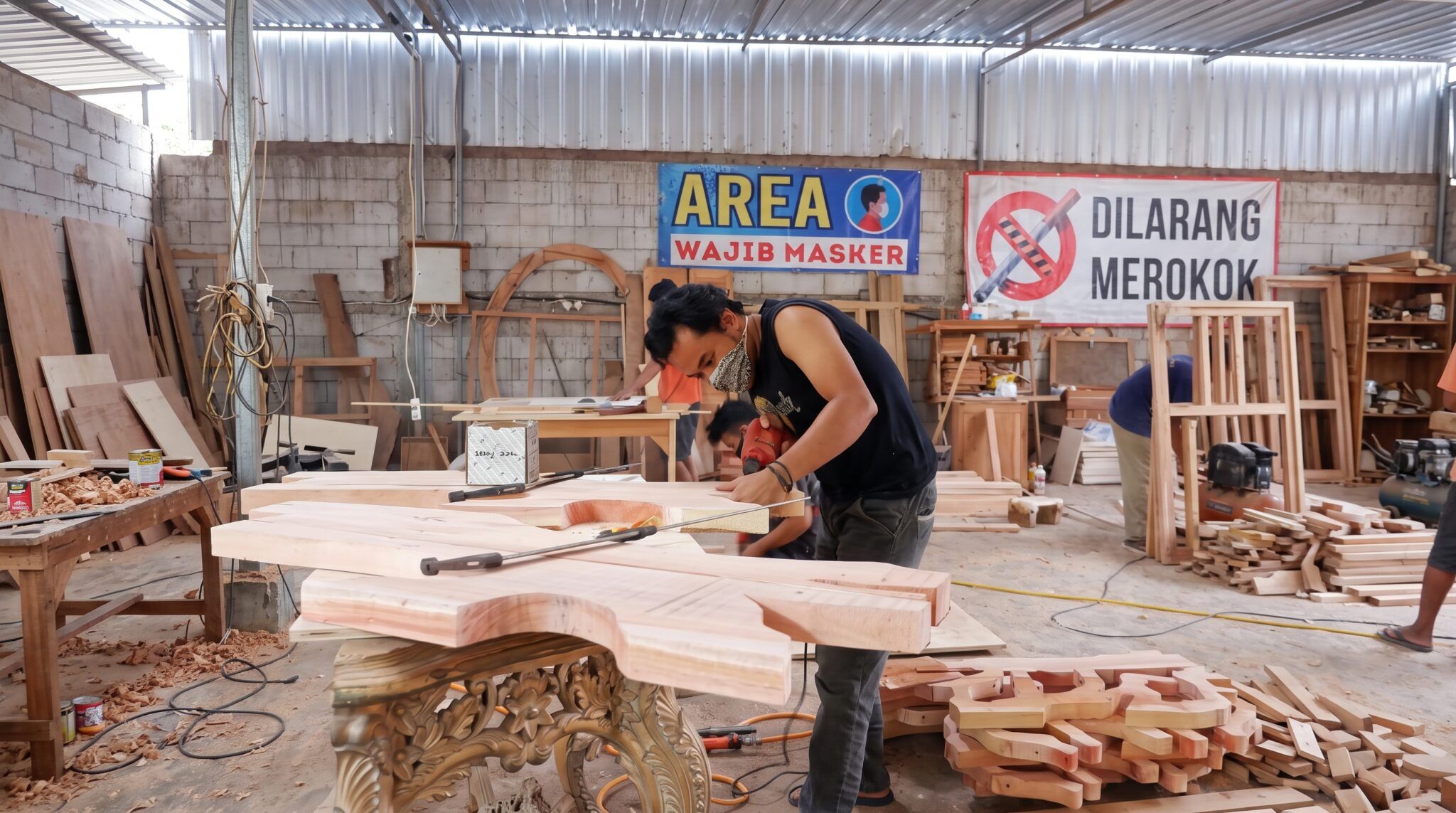
Behind Every Delivery: How We Vet the Furniture Factories You Never See
You see the finished room. Here’s everything that happened before it got there. How do you vet …