Sustainable Sourcing Is Becoming a Core Hospitality Strategy
The luxury hospitality industry is evolving rapidly. As guest expectations continue to shift, developers, hotel operators, and designers are rethinking what truly defines a successful hospitality project.
A decade ago, luxury was often measured by scale—larger lobbies, more amenities, and increasingly elaborate interiors. While these features still contribute to a premium guest experience, today’s hospitality leaders are focusing on a different question:
How can projects create lasting value long after opening day?
Across luxury hotels, resorts, serviced residences, and branded hospitality developments, the emphasis is moving beyond aesthetics alone. Project teams are increasingly prioritizing durability, operational efficiency, sustainability, and strategic procurement to ensure long-term performance and guest satisfaction.
Moving Beyond Appearance: Prioritizing Long-Term Performance
In modern hospitality development, visual appeal remains important, but it is no longer the only measure of success.
Every furniture piece, fixture, material, and operational supply must withstand years of continuous use while maintaining its quality and appearance. As a result, developers are paying closer attention to factors such as:
- Material durability
- Maintenance requirements
- Product lifecycle costs
- Replacement frequency
- Operational efficiency
Rather than evaluating products solely on their upfront purchase price, many hospitality projects are now considering their total cost of ownership. A solution that performs reliably for years often delivers greater value than a lower-cost alternative that requires frequent replacement or maintenance.
This shift is influencing procurement decisions from the earliest stages of project planning, particularly within FF&E (Furniture, Fixtures & Equipment) and OS&E (Operating Supplies & Equipment) sourcing strategies.
Sustainability Is Becoming a Business Requirement
Sustainability is no longer viewed solely as a branding initiative or marketing advantage.
Today, many hotel owners and operators recognize that sustainable sourcing practices can directly impact operational performance, regulatory compliance, brand reputation, and long-term asset value.
As a result, hospitality projects are increasingly evaluating:
- Responsible sourcing practices
- Supply chain transparency
- Environmentally conscious materials
- Product longevity and lifecycle impact
- Waste reduction opportunities
- Logistics efficiency
For luxury hospitality developments, sustainability is becoming integrated into procurement and design decisions rather than being treated as a separate objective.
The goal is no longer simply to select “green” products, but to create hospitality environments that balance environmental responsibility with operational practicality and financial performance.
The Growing Importance of Guest Experience Consistency
One of the most significant trends in luxury hospitality is the recognition that exceptional guest experiences are built through consistency.
Guests may not consciously notice every furniture specification, material finish, or operational detail. However, they immediately recognize when a property feels cohesive, comfortable, and thoughtfully executed.
Achieving this level of consistency requires careful coordination across multiple project disciplines, including:
- Interior design
- Procurement
- Supply chain management
- Logistics
- Installation planning
- Operational readiness
From guest rooms and public spaces to back-of-house operations, every element must work together to support the overall hospitality experience.
This is why many hospitality projects are placing greater emphasis on early collaboration between designers, procurement specialists, operators, and suppliers throughout the development process.
Why Strategic Hospitality Procurement Matters More Than Ever
Historically, procurement was often viewed as a purchasing function that occurred near the end of a project.
Today, procurement plays a far more strategic role.
Modern hospitality procurement directly influences:
- Project budgets
- Construction and opening timelines
- Product quality standards
- Supply chain risk management
- Sustainability objectives
- Operational efficiency
- Guest satisfaction
By involving procurement teams earlier, developers can identify sourcing opportunities, manage lead times more effectively, reduce project risks, and maintain alignment between design intent and operational requirements.
This proactive approach is particularly valuable in large-scale hotel developments, luxury resorts, and multi-property hospitality projects where sourcing complexity continues to increase.
FF&E and OS&E Procurement as Strategic Project Drivers
As hospitality projects become more sophisticated, FF&E and OS&E procurement are increasingly recognized as critical project success factors.
FF&E procurement encompasses essential furnishings and equipment that shape the guest environment, while OS&E procurement supports the day-to-day operations that enable a property to function efficiently.
Successful hospitality developments require careful coordination between both categories to ensure:
- Brand consistency
- Operational readiness
- Budget control
- Delivery accuracy
- Quality assurance
- Timely project completion
When managed strategically, FF&E and OS&E procurement contribute not only to project execution but also to long-term operational performance.
The Future of Luxury Hospitality Development
The future of luxury hospitality is not defined by having more products, larger spaces, or increasingly complex designs.
Instead, success is being measured by how effectively projects balance:
- Design vision
- Guest expectations
- Operational practicality
- Sustainability goals
- Strategic sourcing decisions
The most successful hospitality developments are those that integrate these considerations from the beginning rather than addressing them independently throughout the project lifecycle.
As the hospitality industry continues to evolve, one thing remains clear: the projects that stand out tomorrow will be those built on thoughtful planning, intelligent procurement strategies, and a commitment to delivering lasting value for both guests and operators.
Enjoyed this insight?
Subscribe to our newsletter and receive hospitality sourcing updates, industry trends, and project insights directly in your inbox.
Related posts
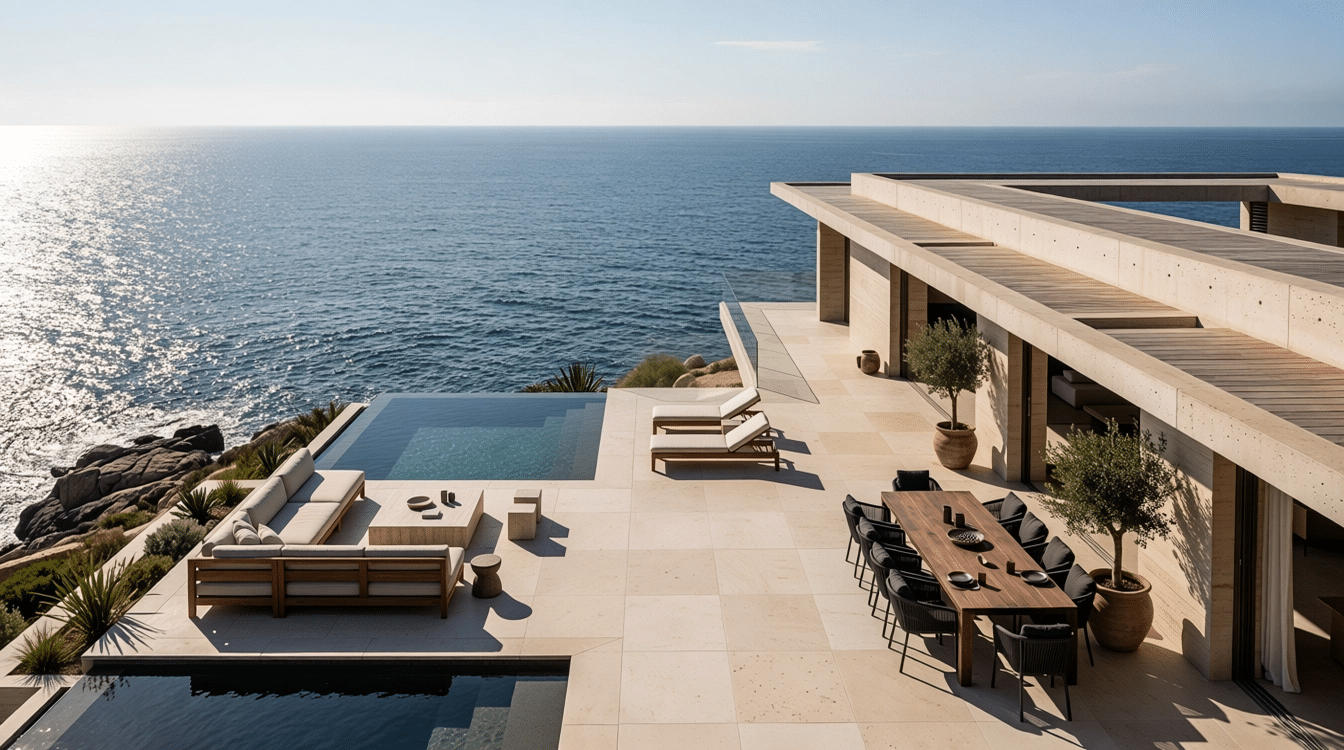
Furniture for Coastal Hotels & Resorts: How to Specify for Salt, Sun and Humidity
A beachfront property tests furniture in ways an inland hotel never will. Salt in the air, hours of d …
Behind Every Delivery: How We Vet the Furniture Factories You Never See
You see the finished room. Here’s everything that happened before it got there. How do you vet …