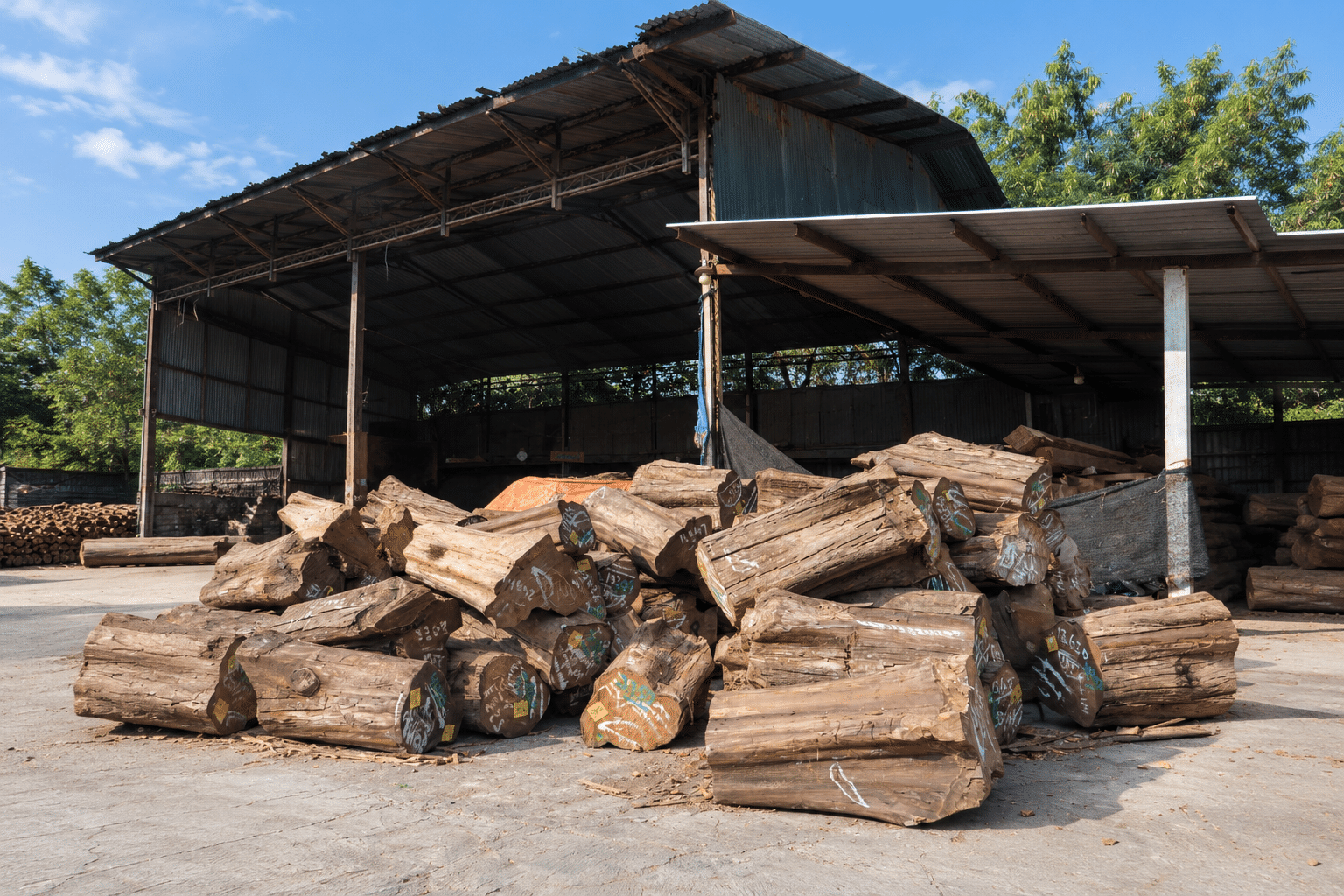
If you ask whether a new EU regulation is something a furniture buyer needs to pay attention to, most people would say it’s a problem for the big timber companies. In reality, though, the EU Deforestation Regulation (EUDR) reaches much further down the chain than that. If you import, wholesale, or sell wooden furniture in Europe, it is very likely part of your world too.
And here’s the part that matters most: December 30, 2026 isn’t a date on a compliance calendar. It’s the day your shipments clear, or don’t.
The good news? The rules are easier to understand than they look. Let’s walk through them together.
The EUDR in Plain English
Think of the EUDR as a “show me where it came from” rule.
Companies that place certain products on the EU market must be able to show two things: the products are not linked to deforestation (specifically, the wood wasn’t grown on land deforested after December 31, 2020), and they were legally produced.
Wood is one of the seven commodities covered, which is why furniture is in the picture. Many wooden furniture and wood-based products fall within scope. Scope depends on customs (HS) codes, so it’s worth checking your own product codes rather than guessing.
At its heart, it’s about traceability: from the finished piece back to the place the timber grew.
The Deadline: Who Gets What Date?
| Company size | Date the EUDR applies |
|---|---|
| Large and medium operators and traders | December 30, 2026 |
| Micro and small enterprises | June 30, 2027* |
*Small companies dealing with timber products that were already covered by the old EU Timber Regulation may still fall under December 30, 2026. Worth double-checking for your case.
The date has been postponed twice before, so some buyers are quietly hoping for a third delay. The EU’s own review in May 2026 confirmed the dates stand. It’s wise to plan for December.
“Does This Really Apply to Wholesalers and Retailers?”
Yes, but not all in the same way. This is the part most people miss, and the rules got simpler in the latest update.
- The first company to place the product on the EU market (usually the importer) is the one that carries the heavy work: collecting origin data and submitting the due diligence statement.
- Companies further down the chain (wholesalers, distributors, retailers who buy from that importer) no longer file their own statements. But they still have lighter duties, such as keeping records of their suppliers and customers, holding on to the reference numbers of the upstream declaration, and, for larger companies, registering in the EU’s information system.
- If there are real concerns about a product, larger downstream companies are expected to check that due diligence was properly done before selling.
So the first question isn’t “does this apply to me?” It’s “where do I sit in the chain?” One company can even hold different roles for different products.
Not sure where you sit? A qualified legal or compliance advisor can confirm your exact obligations.
Why It’s Worth Paying Attention Now
The stakes are real. Maximum fines are set at no less than 4% of a company’s annual EU-wide turnover, and non-compliant goods can be kept off the market.
Records take time. Timber origin, geolocation data, and legality documents can’t be gathered in the last week of December.
Your supplier’s gap can become your gap. If the party before you can’t show where the wood comes from, that question eventually reaches the buyer.
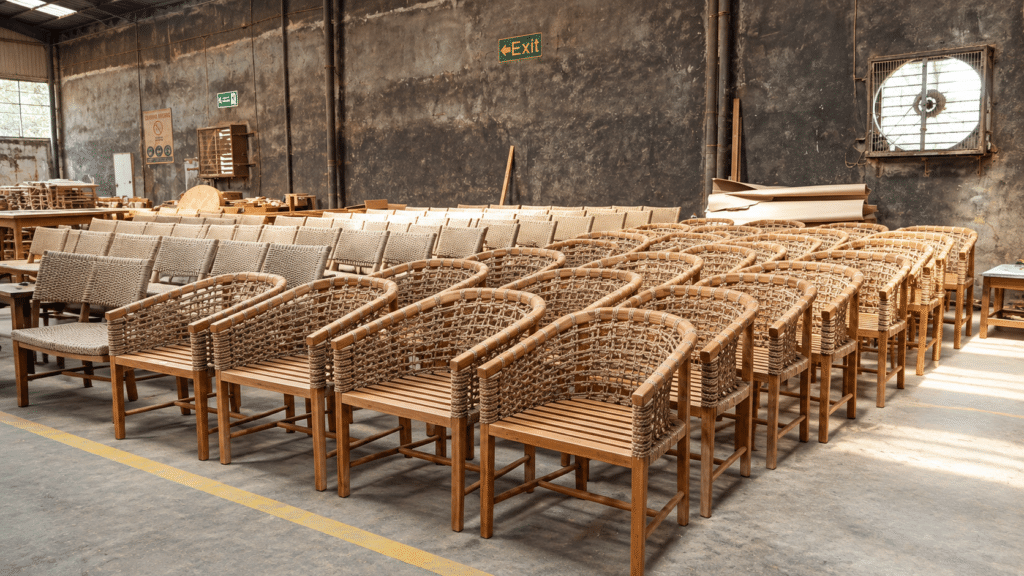
Five Questions Worth Asking Your Suppliers
You don’t need a fancy system to start. You need clear answers to these:
- Where does the timber come from? Not just the country, but the actual area of harvest.
- Is there geolocation data for the source? It’s a core EUDR requirement for the operator placing goods on the EU market.
- Can the wood be shown to be legally harvested? Permits, licenses, and legality documents.
- Is “deforestation-free” documented? A promise isn’t proof.
- What about mixed materials? Solid wood, plywood, MDF, and veneer in one product each need their own traceability.
If the answers come quickly and clearly, that’s a great sign. If they don’t, now you know where to look closer.
Common Mistakes Around the EUDR
- Waiting for another delay. The May 2026 review confirmed the dates. Hope is not a compliance strategy.
- Treating a certificate as the whole answer. Certifications can support your records, but they don’t automatically replace due diligence.
- Not knowing your role in the chain. Operator, trader, and downstream operator each have different duties.
- Too many middlemen. The longer the chain between buyer and factory, the harder it is to trace anything.
- Forgetting mixed-material pieces. A “simple” chair can have several timber sources inside it.
- Leaving documents to the end. Missing paperwork can hold up shipments.
A Simple 4-Step Starting Point
- Step 1: Map your range. Which products contain wood, and what are their HS codes?
- Step 2: Check your role. Are you the first to place goods on the EU market, or further down the chain?
- Step 3: Ask your suppliers. Send the five questions above and see who answers clearly.
- Step 4: Start with your biggest lines. High volume and high risk first.
Quick FAQ
When does the EUDR start applying?
December 30, 2026 for large and medium operators and traders, and June 30, 2027 for micro and small enterprises (with the timber exception noted above).
Is furniture covered?
Many wooden furniture and wood-based products are, depending on their customs codes.
Do wholesalers and retailers have to submit due diligence statements?
Under the December 2025 amendment, downstream operators and traders no longer file their own. The company that first places the product on the EU market does. Downstream companies still have record-keeping duties.
What happens if a company doesn’t comply?
Fines can reach at least 4% of annual EU-wide turnover at the maximum, and non-compliant goods can be blocked from the market.
Where do we begin?
List your wood-containing products, work out your role in the chain, then ask suppliers where the timber comes from.
Stay in the Loop
Regulations like this keep evolving, and we’ll keep sharing plain-English updates that matter to furniture buyers and project teams.
Where do you stand today: not started, in progress, or ready? Tell us on LinkedIn. We’d love to hear how other buyers are approaching it.
Related posts

Furniture for Coastal Hotels & Resorts: How to Specify for Salt, Sun and Humidity
A beachfront property tests furniture in ways an inland hotel never will. Salt in the air, hours of d …

Behind Every Delivery: How We Vet the Furniture Factories You Never See
You see the finished room. Here’s everything that happened before it got there. How do you vet …