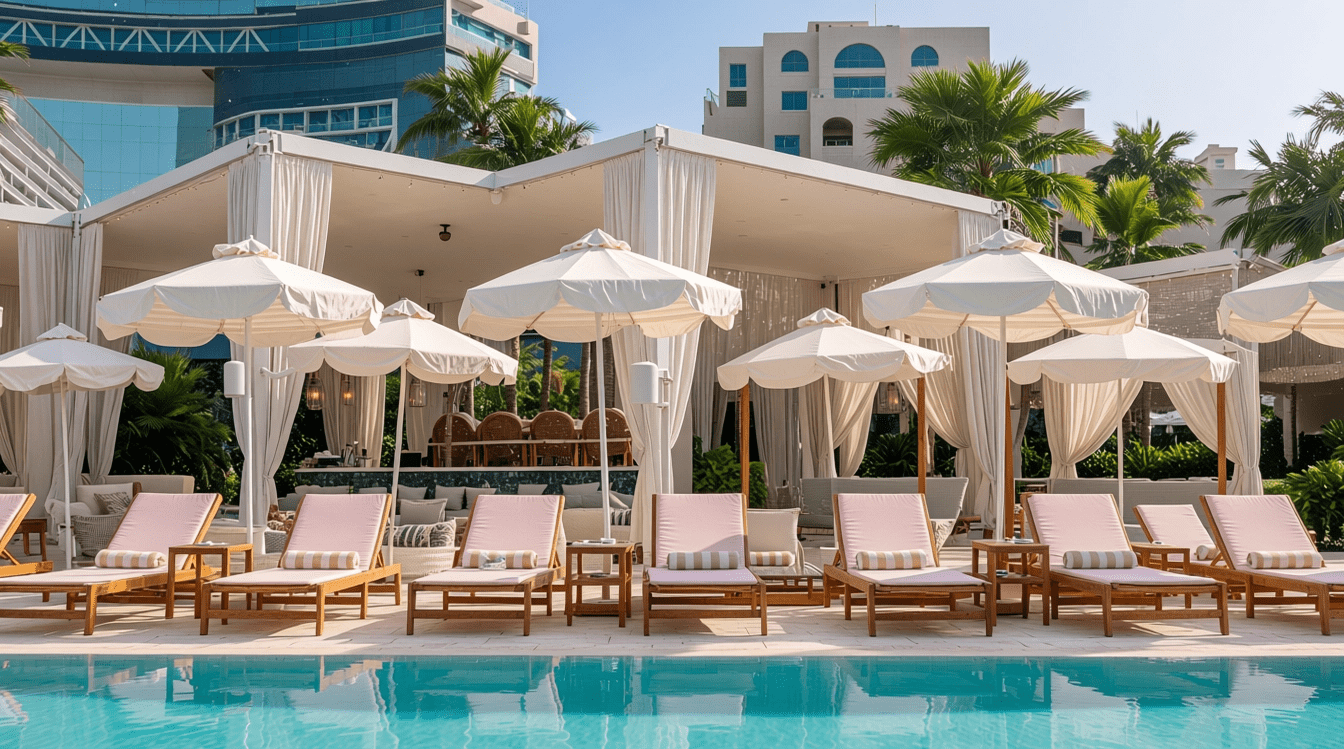
From guest satisfaction to stronger brand perception, here’s why choosing natural materials is no longer just a design decision it’s a business one.
Most hotel reviews mention the usual things: the breakfast, the pool, the staff, or the location. But every so often, you come across a review that catches you off guard.
A guest writes an entire paragraph about sitting in a wooden lounge chair every morning with a cup of coffee. Someone else talks about the texture of the bedside table or how the room felt “calm” the moment they walked in. They never mention the furniture brand, the wood species, or the interior designer. They simply remember how the space made them feel.
That’s what makes hospitality different from almost every other industry. Guests rarely remember individual pieces of furniture they remember the experience those pieces helped create.
For hotel owners, developers, and procurement teams, that’s an important distinction. The materials chosen for a project don’t just influence the design. They shape first impressions, affect guest satisfaction, reinforce brand identity, and can even contribute to the property’s long-term commercial performance.
Natural materials have always been appreciated for their beauty, but today they’re becoming a strategic investment for hotels that want to create memorable guest experiences.
The First 90 Seconds Matter More Than You Think
Before guests test the mattress, connect to the Wi-Fi, or browse the room service menu, they’ve already formed an opinion about the room.
It happens surprisingly quickly.
Environmental psychology has long suggested that people build emotional impressions of a space within moments of entering it. In hospitality, those first moments often set the tone for the rest of the stay.
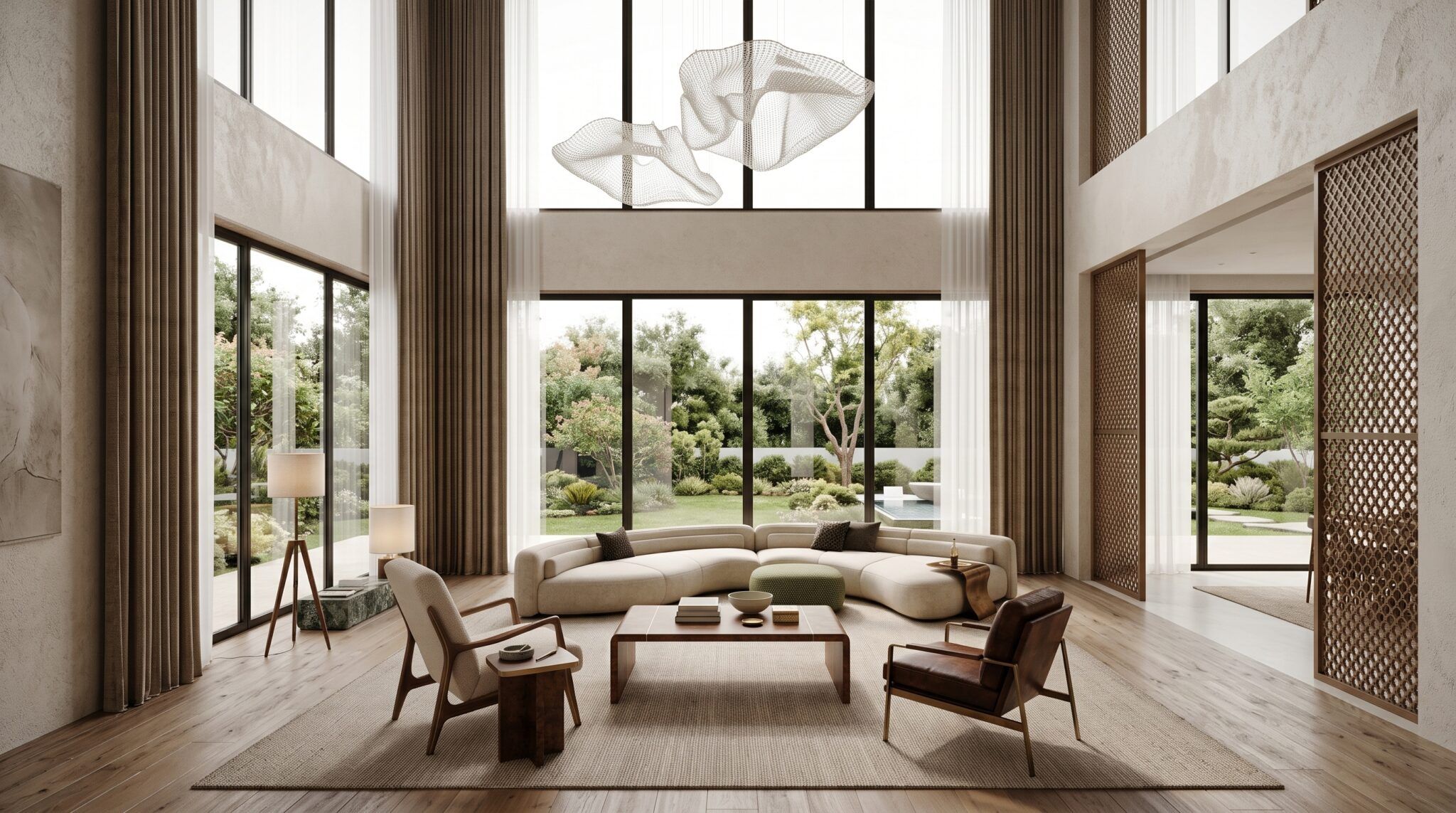
Without consciously realizing it, guests notice the warmth of timber furniture, the texture of woven fabrics, the feel of a stone countertop, or the way natural light reflects off organic surfaces. These details don’t demand attention, but together they create an atmosphere that either feels welcoming or forgettable.
That’s why two hotels with similar room sizes, amenities, and price points can leave completely different impressions.
One feels comfortable and authentic.
The other simply feels like another hotel room.
The difference often isn’t found in the amenities. It’s found in the materials.

Guests Don’t Talk About Materials—They Talk About Feelings
Read through reviews of highly rated boutique hotels, luxury resorts, or wellness retreats, and you’ll notice an interesting pattern. Guests rarely describe technical specifications. They’re not writing about solid teak, linen upholstery, or handcrafted rattan.
Instead, they describe emotions.
They say the room felt warm. They mention that the space was calming, peaceful, inviting, or thoughtfully designed. They remember spending time on a balcony because the furniture was comfortable enough to encourage them to stay a little longer.
Those words matter. They’re the language of memorable experiences.
By comparison, reviews of more generic hotel rooms often focus on functionality. The room was clean. Modern. Spacious. Convenient. Those are all positive comments, but they don’t create the same emotional connection.
Hospitality isn’t just about providing a place to sleep. It’s about creating a place guests genuinely enjoy spending time in. Natural materials help build that connection because they add warmth, texture, and authenticity in a way manufactured finishes often struggle to replicate.
Why Boutique Hotels Often Feel More Valuable
One of the biggest shifts in hospitality over the last decade has been the rise of boutique hotels.
Many of these properties don’t compete by offering the largest rooms or the longest list of amenities. Instead, they focus on creating an identity that guests remember long after they’ve checked out. Walk into almost any successful boutique property and you’ll notice a common thread.
Natural timber.
Stone.
Handcrafted ceramics.
Woven lighting.
Textured fabrics.
Locally inspired furniture.
Individually, none of these elements justify a higher room rate. Together, however, they create something far more valuable: character.
Guests increasingly choose hotels that feel authentic rather than identical. They’re looking for places with personality, spaces that feel connected to their surroundings instead of copied from a standard template.
That emotional connection often translates into stronger reviews, more social media sharing, and a higher perceived value of the stay.
For hotel operators, that’s where natural materials begin to influence business performance, not just aesthetics.
Material Selection Is a Business Decision
For years, choosing materials was largely considered the responsibility of the design team. Once the mood boards were approved, procurement focused on finding products that matched the specification and budget.
Today, that approach is changing.
Every material selected for a hospitality project influences more than appearance. It affects how guests experience the property, how often furniture needs replacing, how the brand is perceived, and ultimately how much value the investment delivers over time.
Solid hardwood furniture, for example, often develops character as it ages instead of simply looking worn. High-quality natural materials can maintain their appearance for years when properly specified and manufactured, helping reduce replacement costs while supporting a more premium guest experience.
At the same time, guests are becoming increasingly aware of authenticity and sustainability. Many travelers actively seek hotels that incorporate natural, responsibly sourced materials because they associate them with quality, craftsmanship, and environmental responsibility.
When viewed through that lens, material selection becomes much more than a design decision.
It’s a long-term business strategy.
Procurement Is About More Than Buying Furniture
Hospitality procurement has evolved considerably over the past few years.
Success is no longer measured only by whether a project stays on budget or ships on time. Those factors still matter, but today’s developers also need confidence that every item arriving on site reflects the quality promised during the design stage.
That’s especially important when sourcing across multiple manufacturers or countries.
Consistency becomes just as valuable as creativity.
The right procurement partner doesn’t simply source furniture. They coordinate suppliers, verify production quality, inspect finished goods, manage timelines, and ensure every piece meets the project’s specifications before it reaches the hotel.
When that process works well, guests never notice it.
They simply experience a hotel that feels thoughtfully designed from the moment they arrive.
Why Southeast Asia Has Become a Leading Source for Hospitality Furniture?
Across Southeast Asia, natural materials have been part of furniture craftsmanship for generations.
Indonesia is internationally recognised for its teak, rattan, suar wood, woven fibres, and handcrafted furniture. Vietnam has developed world-class manufacturing capabilities for large-scale hospitality projects, while Malaysia combines modern production techniques with strong expertise in engineered wood products.
For hospitality developers, this combination offers a significant advantage.
Projects can benefit from authentic natural materials while still meeting international standards for quality, consistency, and commercial production.
Rather than choosing between craftsmanship and scalability, hotels increasingly have access to both.
That’s one of the reasons Southeast Asia has become a preferred sourcing region for boutique hotels, luxury resorts, serviced apartments, and international hospitality brands.
Guests Remember Experiences—Not Procurement
Guests will never know how many supplier meetings took place before a hotel opened, or how many factory inspections, production schedules, and quality control checks were completed behind the scenes. Those processes are essential to delivering a successful project, but they remain invisible to the people who matter most the guests.
What guests do remember is how a space made them feel. They remember enjoying a quiet morning coffee in a comfortable wooden chair overlooking the garden, gathering around a beautifully crafted dining table with family, or simply walking into a room that immediately felt warm, calm, and welcoming. Those moments may seem small, but together they shape the emotional connection guests have with a property and often become the memories they share long after their stay.
That’s why choosing natural materials is about far more than following a design trend. Every decision, from the furniture and finishes to the textures guests interact with each day, contributes to an experience that feels authentic and memorable. For hospitality businesses, investing in those details isn’t simply an aesthetic choice, it’s an investment in guest satisfaction, stronger brand perception, and the kind of experience that encourages guests to return and recommend the property to others.
Planning a Hospitality FF&E Project?
Whether you’re developing a boutique hotel, luxury resort, serviced apartment, or another hospitality project, sourcing the right materials is about more than meeting specifications, it’s about creating memorable guest experiences while protecting long-term value.
At Asean Sourcing, we help hospitality brands source premium furniture and natural materials across Indonesia, Vietnam, Malaysia, and China. From supplier selection and factory audits to quality control, logistics, and final delivery, we manage the procurement process with transparency and consistency.
Planning a hospitality FF&E project?
We source natural materials across Asia to your specifications, backed by comprehensive quality control and single-contract project delivery. Get in touch to discuss your next hospitality development.
Related posts
From First Sample to Repeat Order: What Actually Makes a Furniture Product Scalable
“Finding a supplier is one thing. Building a product that can be repeated is another.” Fo …
Custom vs Catalogue: What Architects and Interior Designers Need to Know Before Specifying Furniture
Most furniture sourcing starts the same way: a catalogue and a shortlist. For hospitality and reside …

Cheyenne549
https://shorturl.fm/bGGec