Hospitality Procurement + Design Strategy | 2026 Edition 01
1. The Size and Growth of Hospitality FF&E
The global hotel furniture, fixtures & equipment (FF&E) industry is large and expanding.
- The FF&E market — led by furniture — is projected to reach ~USD 107–98 billion by 2033, growing on continuous hospitality construction and refurbishment demand.
- Furniture alone represents the dominant FF&E segment, accounting for around 58–65% of total FF&E spend globally.
- Growth drivers include new builds and accelerated renovation cycles as hotels refresh interiors to remain competitive.
In Asia Pacific — critical for Southeast Asia FF&E suppliers — growth outpaces the global average, driven by tourism infrastructure expansion and urban hotel pipelines, with the regional FF&E market forecast to expand strongly toward 2033.
Takeaway:
This is not marginal procurement — FF&E sits at the core of hotel asset value and guest experience. Projects globally are placing deeper strategic emphasis on FF&E decisions earlier in planning.
2. What Operators Are Spending On — and Why
Guest rooms dominate FF&E demand.
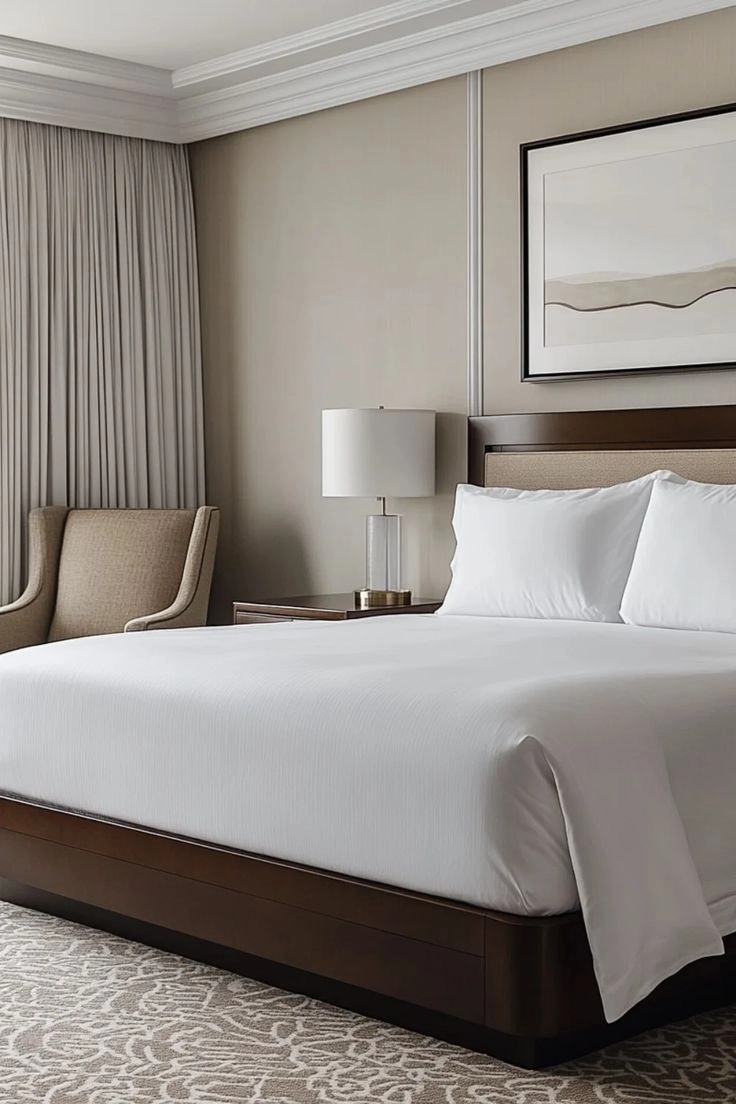
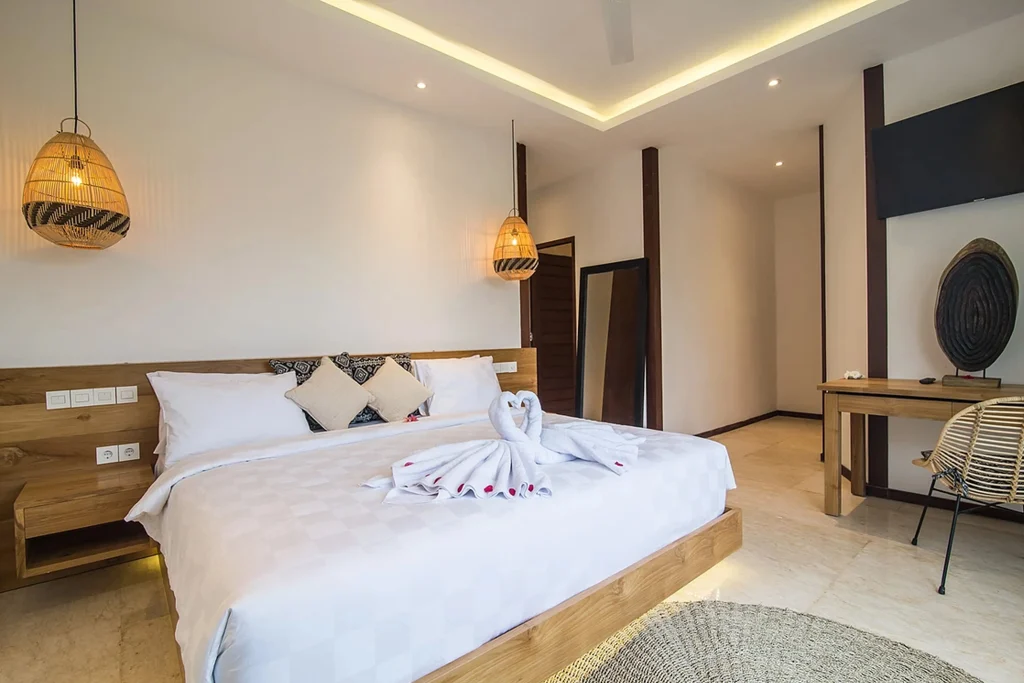
Rooms account for the largest share of FF&E spend — typically 30–40% — because bed systems, seating, casegoods, and finishes directly influence guest comfort and brand positioning.
Sustainability and customization are now material spend drivers:
- ~48% of hotel operators now prioritise eco-friendly furniture in the next order cycle.
- Modular and flexible furniture options are adopted in over half of new hospitality projects, helping with future refurbishments and functional shifts.
Renovations remain a heavyweight component.
Hotels refurbish on cycles often shorter than a decade — around 8–10 years in mid-scale markets — generating strong repeat business and procurement pressure.
Takeaway:
Quality isn’t optional. Operators are increasingly willing to spend more on materials that deliver longer operational life, sustainability credentials, and guest satisfaction improvements.
3. Supply Chain Realities: Cost and Lead Time Impact
Raw material volatility and extended timelines are no longer anomalies — they are the norm.
- Raw material indices (timber, metal, fabrics) have spiked repeatedly year-over-year, squeezing manufacturer margins and lifting FOB prices. (Examples exist across multiple segments).
- Custom lead times can now stretch to 24–32 weeks for bespoke orders — compared with historical norms of 12–16 weeks.
In some cases, procurement teams report budget overshoots of 15–25% due to material price volatility and timeline drift.
The upshot: projects that defer procurement thinking until after design completion pay — in cost overruns, schedule slips, and rework.
Takeaway:
Procurement isn’t transactional. It is risk mitigation. Early material and lead time decisions shape procurement outcomes more than specifications locked at tender.
4. Technical & Durability Priorities in Hospitality Contexts
Across hotel types — from mid-scale to luxury — the technical decisions on furniture matter.
Examples of cost-risk technical choices:
- Marine environments: require stainless steel 316 and UV-rated synthetic fibers, not standard finishes — otherwise corrosion and fade appear within 18–24 months.
- Casegoods: thickness, core materials, and edge seal quality dramatically affect durability in high-use guest rooms.
- Finish standards: hospitality foam and upholstery must meet stricter fire and durability ratings than residential products.
These are not subtle differences — they alter lifecycle costs and warranty exposure.
Takeaway:
Effective procurement strategy marries design intent and durability standards early — so sourcing choices reflect operational realities.
5. Strategic Trends That Matter Now
Luxury & Boutique Priorities
Luxury properties increasingly specify:
- custom-designed, brand-aligned furnishings
- FSC-certified woods and recycled metals
- integrated tech (USB charging, smart furniture)
- higher sustainability standards
In luxury hotels, over 60% of FF&E decisions include sustainability mandates.
Asia Pacific Momentum
Asia Pacific accounts for a large share of global furniture demand, supported by both large pipelines and tourism growth.
Smart & Modular Solutions
Smart and modular furniture adoption across upscale and mid-scale hospitality segments is rising rapidly, enhancing flexibility and guest engagement.
Takeaway:
Design aesthetics are important — but they are now inseparable from strategic performance metrics like lifecycle cost, sustainability scoring, and operational flexibility.
6. What This Means for Developers, Contractors & Designers
Developers
- FF&E now represents a material portion of CapEx and brand ROI.
- Early procurement integration reduces price volatility risk and schedule risk.
Contractors
- Clear technical specifications reduce change orders and delays.
- Early vendor alignment improves production sequencing and delivery planning.
Designers
- Design intent must be balanced with performance standards and realistic lead times.
- Sustainability and modularity are now expectations — not optional features.
Final Insight
FF&E in hospitality has evolved from vendor ordering to strategic supply chain and asset performance management.
Numbers don’t lie: more spend, longer cycles, more customization, and tighter sustainability expectations define the market today.
Related posts
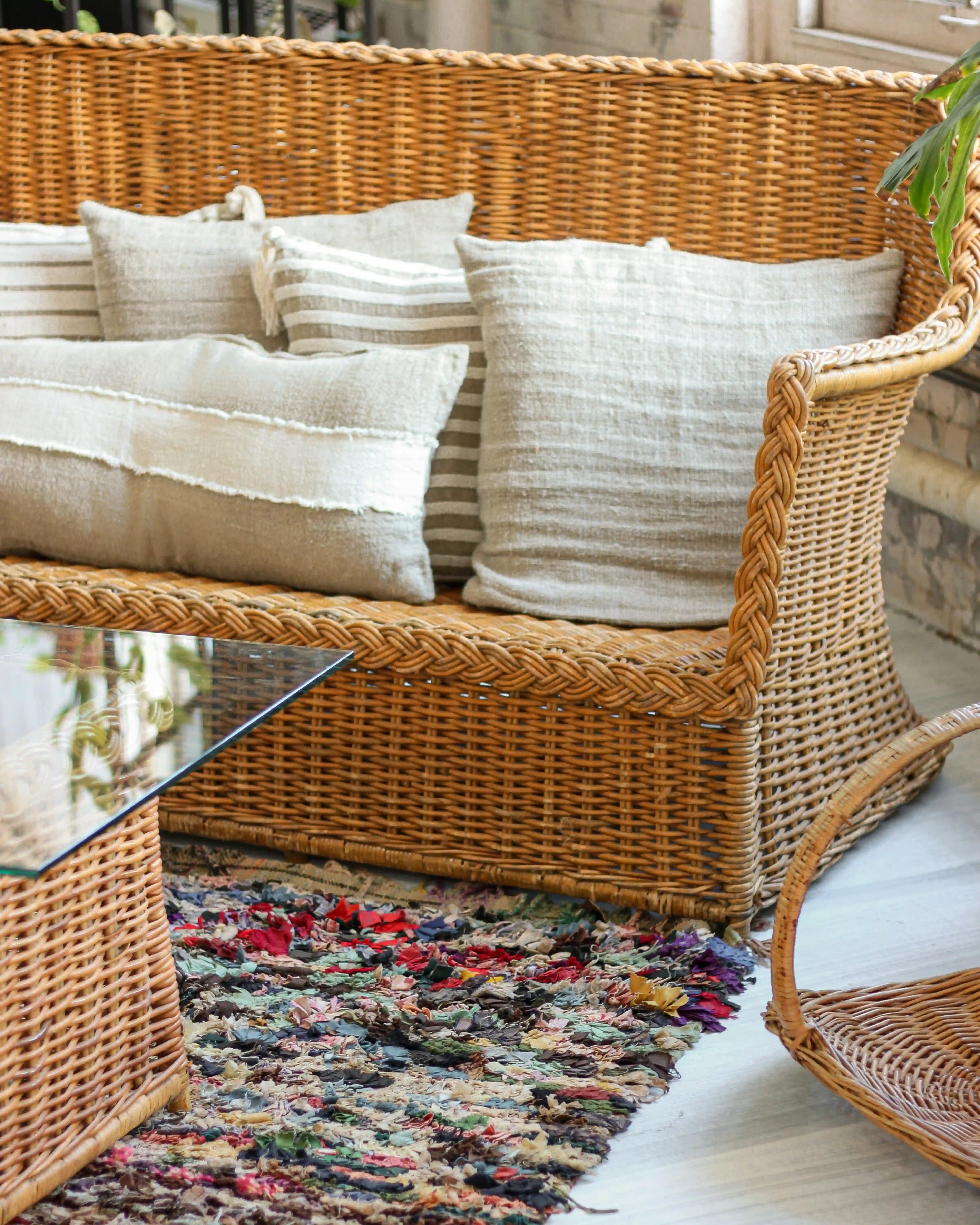
Natural vs. Synthetic Rattan Furniture. What are the Differences?
Choosing between natural rattan furniture and synthetic rattan furniture can be difficult for some p …

Top 5 Natural Fiber Materials For Your Furniture and Home DecorDiy Mirror Decor
In this article, we are introducing five beautiful natural fibers that are most popular amongst inte …


Clifton1333
Your audience, your profits—become an affiliate today!
Beth3729
Share our products, reap the rewards—apply to our affiliate program!
Asia1012
Turn your audience into earnings—become an affiliate partner today!
Kourtney2295
Get paid for every click—join our affiliate network now!
Emery3302
Sign up now and access top-converting affiliate offers!
Quinn1285
Start earning every time someone clicks—join now!
Lauren251
Sign up now and access top-converting affiliate offers!
Alden2673
Drive sales, earn commissions—apply now!
Bella2034
Drive sales, collect commissions—join our affiliate team!
Chelsea4923
Unlock exclusive rewards with every referral—apply to our affiliate program now!
Leslie1851
Get paid for every referral—sign up for our affiliate program now!